
Guide
When a Spring Goes in Cold Weather Around Huntington Beach
Why garage door springs snap on cool Huntington Beach mornings, tied to 1960s-70s housing stock and the area's mild coastal climate. No invented numbers, just what's actually going on.
Local detail
Doing Nothing For Now
A spring that groans instead of snapping is easy to ignore, especially here. Huntington Beach doesn't get the hard freezes that turn a weak spring into a dead one overnight, so a lot of owners hear a new noise on a cool morning and figure it'll work itself out. It usually doesn't.
A torsion spring that's been carrying a door since these neighborhoods were built between 1953 and 1995 is already past the point where waiting helps - it's a matter of cycles, not weather drama. Once a spring is visibly stretched, has a gap in a coil, or the door feels heavier on one side than the other, the next full close-and-open cycle can be the one that lets go. That's usually a Saturday morning with the car half in the driveway.
Doing nothing costs you nothing until the day it costs you a car door dent and a torsion bar that's now in two pieces. If you're hearing a new sound, that's the signal to look, not to wait for it to get worse on its own.
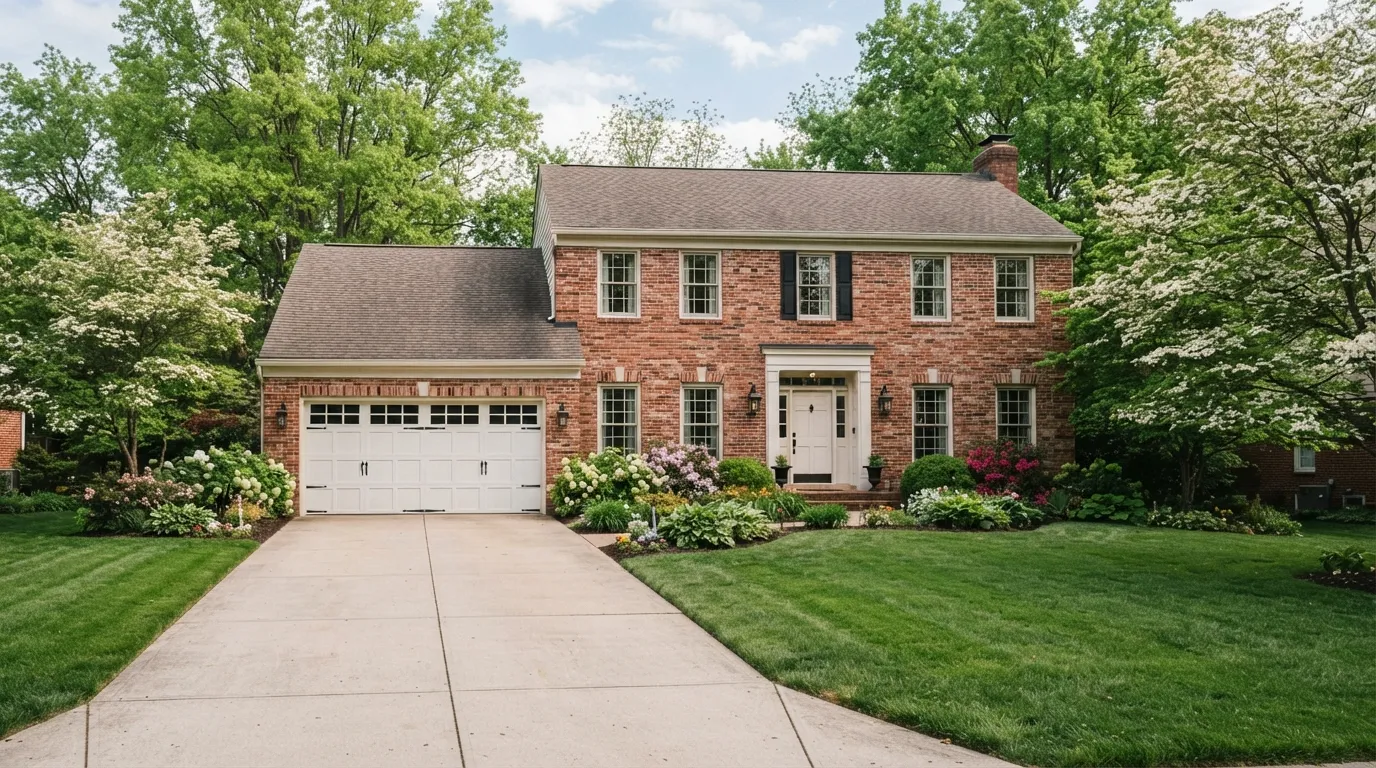
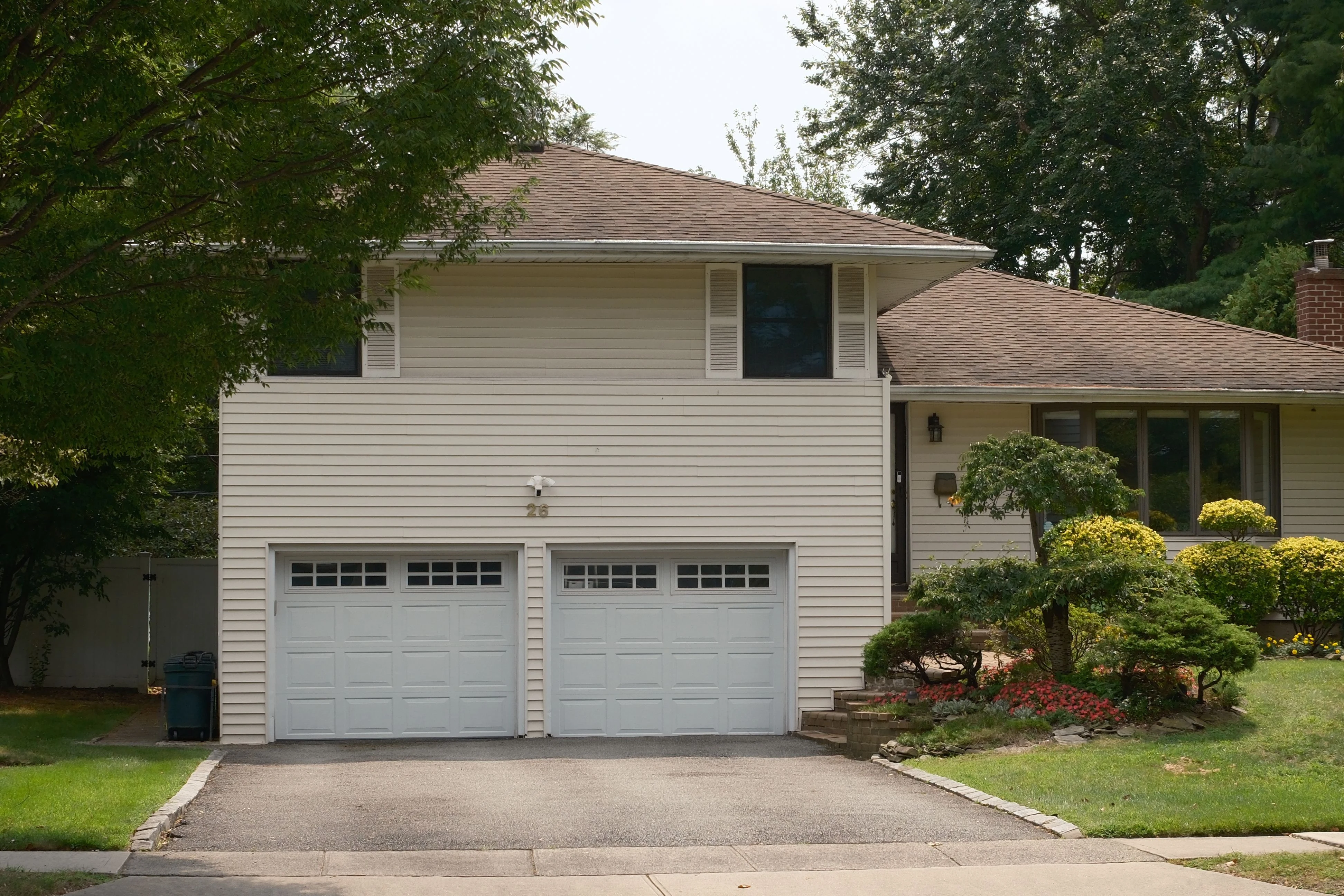
The area
What to Look At First
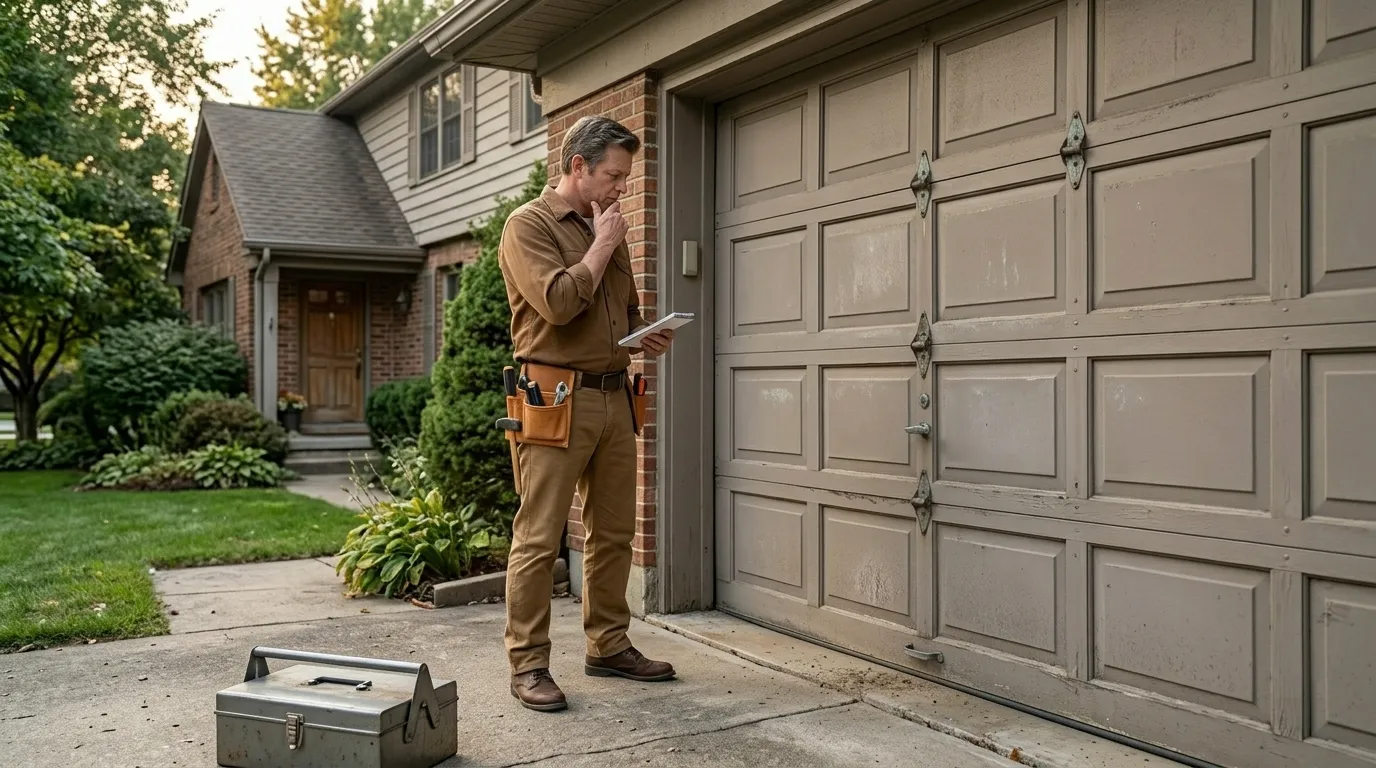
Start with the spring itself, not the opener - most people check the wrong thing first. Look for a visible gap in the coil, rust that's flaking rather than just surface dust, and any stretch beyond what the other spring on a two-spring setup shows. Houses in this area went up mostly through the 1960s and '70s, with the broader range running 1953 to 1995, so a lot of these garages are still running original hardware or a spring swapped once decades ago. Check the winding cones for cracks and see if the door lifts evenly by hand with the opener disconnected - a door that drifts to one side is telling you a spring is going soft, not gone yet.
Also look at the drum and cable for fraying near the mount; a spring failure often takes a cable partway with it. If the garage was converted or the door replaced at some point since the house was built, the spring size may not even match the door weight anymore, which is its own problem separate from age. None of this needs tools beyond your eyes and a flashlight, and five minutes here tells you whether you're looking at a same-day fix or something that can wait a few days.
What we find
How Local Conditions Play In
Huntington Beach sits in a mild temperate band, which changes the story compared to places that deal with hard freezes. You're not getting the overnight ice that shrinks steel fast enough to snap a spring in one go. What you get instead is a steady, modest cool-down overnight and warm-up by midday, day after day - a smaller swing, but one that still flexes metal that's already fatigued from thousands of open-close cycles.
A spring near the end of its life doesn't need a freeze to fail here; it needs one more cold morning on top of the ones before it. That's a different failure pattern than what you'd see somewhere with real winters, and it means the spring often goes on an ordinary day, not during any kind of weather event. Across the many named areas built in that same 1960s-70s wave, the springs holding up doors are frequently the original hardware or a first replacement, and the mild climate here has bought them a longer working life than they'd get elsewhere - right up until it doesn't.
How we work
The Problem
The real issue isn't cold weather itself, it's timing. A spring rated for a certain number of cycles doesn't care what season it is - it cares how many times that door has gone up and down since the house was built, somewhere between 1953 and 1995 with most of the stock dating to the '60s and '70s. A cool morning is just the day the last cycle happens to fall on. That's the part that trips people up: they blame the weather when the real cause is a fifty-plus-year-old spring that was already close to done.
One honest limitation - if the spring's rusted through at the coil or the drum underneath is worn and grooved, replacing just the spring isn't worth doing. We'll tell you that up front rather than sell a patch job that fails again in a year. Sometimes the right call is the full torsion assembly, sometimes it's just the spring, and the difference usually comes down to how old the rest of the hardware is, which in this area often means it's original.
Questions
Common questions
Does cold weather actually cause springs to break in Huntington Beach?
Not the way it does in colder states - there's no hard freeze here to shock the metal. What happens instead is a spring that's already near the end of its cycle life gives out on an ordinary cool morning. The season isn't the cause, it's just when a spring that's fifty-plus years into a house built in the 1960s or '70s finally runs out.
How do I know if my spring is original to the house?
If nobody's replaced it since you bought the place and the house dates to the common local range of 1953 to 1995, there's a real chance it's original or a first-generation replacement. Look for heavy rust, coil gaps, or uneven lift - those point to old hardware that's overdue, regardless of what the weather's doing.
Is it ever not worth fixing just the spring?
Yes. If the drum underneath is grooved or worn, or the torsion bar shows rust pitting, swapping only the spring is a short-term fix that fails again soon. In that case the honest answer is replacing more than just the spring, and we'll say so before doing the work rather than after.
Ready when you are
Need a garage door sorted in Huntington Beach?
Huntington Beach Garage Door Pros repairs and installs garage doors, springs and openers in Huntington Beach, CA and the surrounding area.