
Guide
Garage Doors on Older Huntington Beach Homes
Most Huntington Beach garage doors date to the 1960s, before federal insulation standards existed. Here's what that gap means for the door on your house now.
Local detail
Doing Nothing For Now
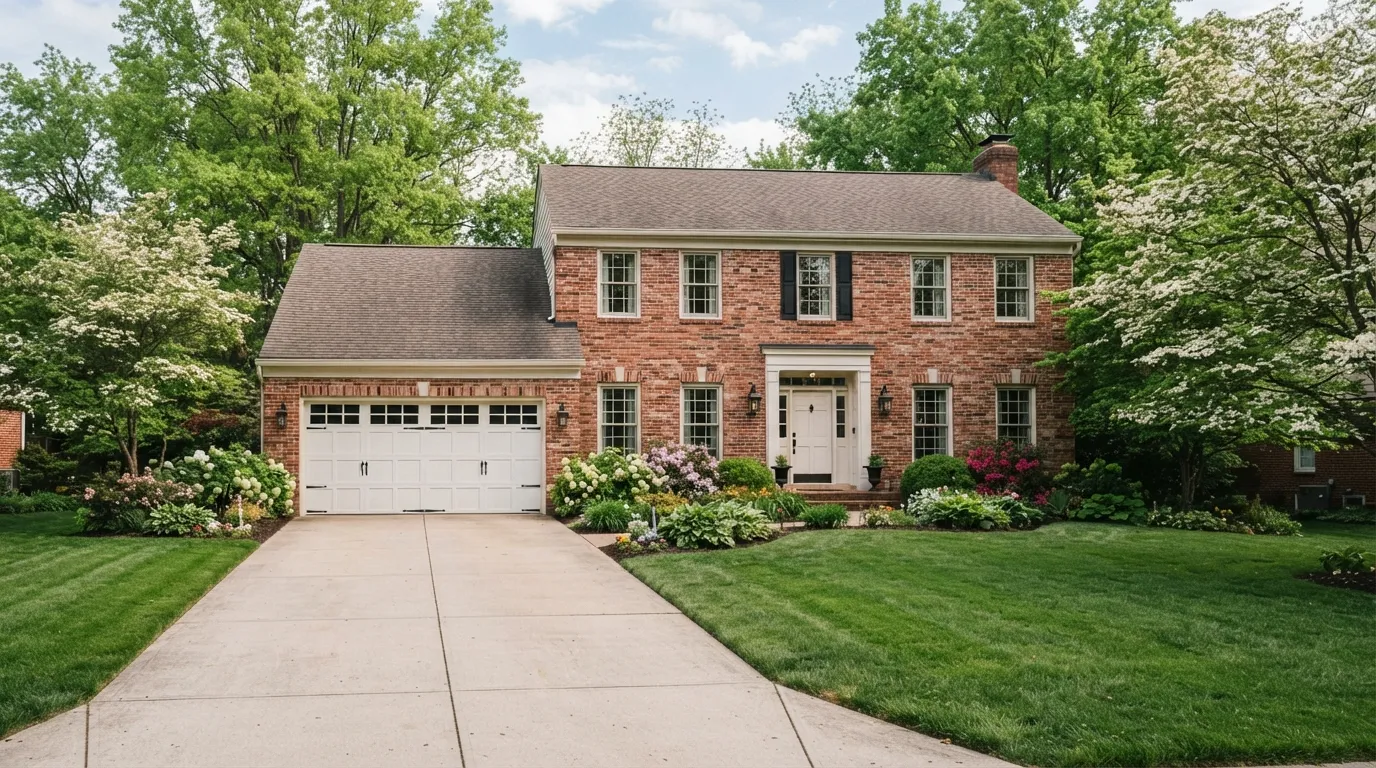
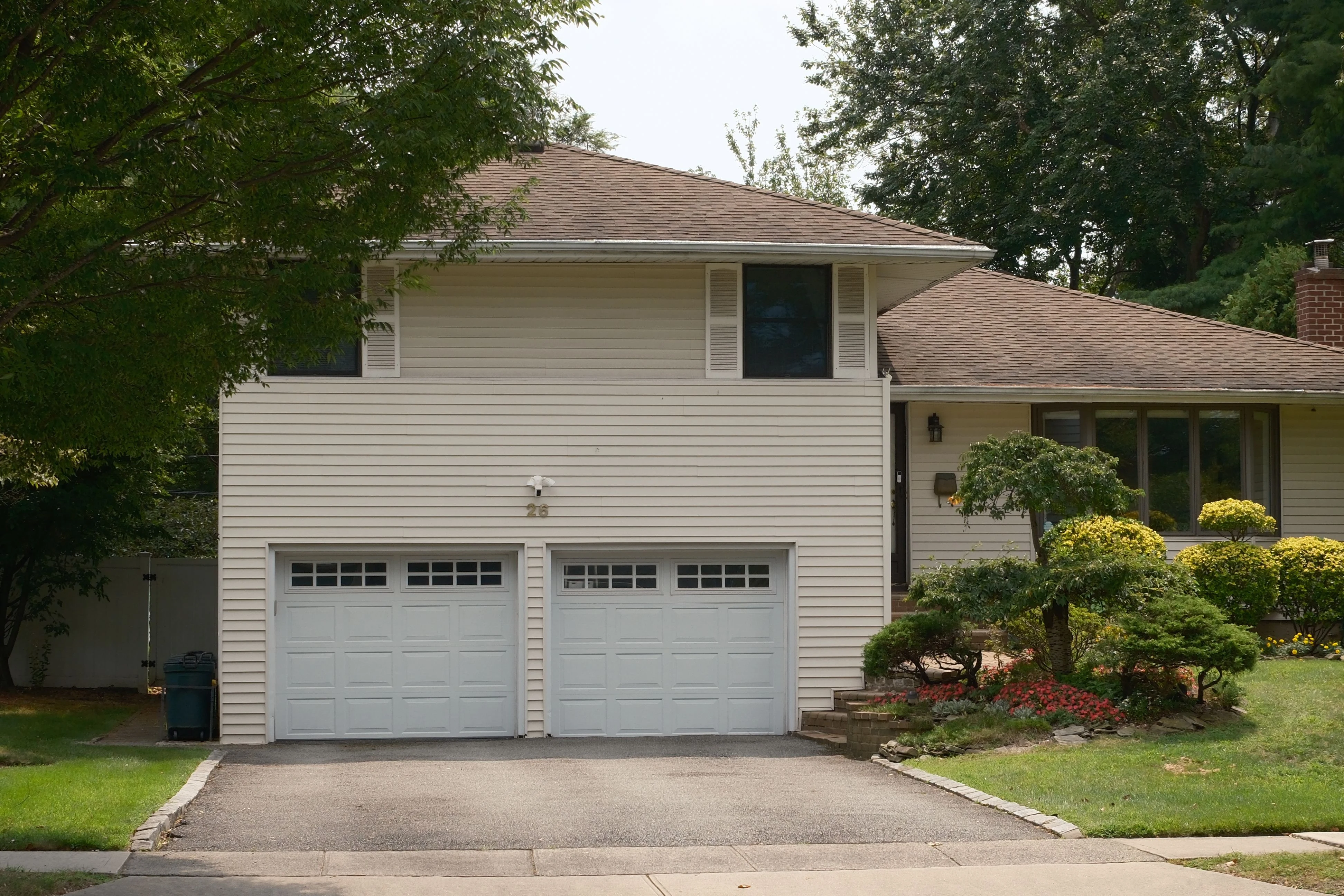
Most houses in Huntington Beach went up between 1953 and 1995, with the bulk of the stock dating to the 1960s and 70s, years before any insulation code applied to garage doors. That means if you've got the original slab door on a house from that era, you're not looking at a mistake - you're looking at what everyone got. Nothing about that door failing to hold heat is a defect. It's just what the code required at the time, which was nothing.
Here's the honest part: if the door still runs quiet, the panels aren't cracked, and the opener isn't straining, insulating or replacing it is a comfort upgrade, not a repair. Huntington Beach sits in a mild temperate band, so the energy case for swapping an old steel slab for a foam-core door is weaker here than it would be somewhere with real winters. We won't tell you the door is failing when it isn't. Plenty of these 1960s doors have another decade of service left in them if the springs and rollers are sound. Spend your money on what's actually worn before you spend it on R-value you may not need.
The area
What to Look At First
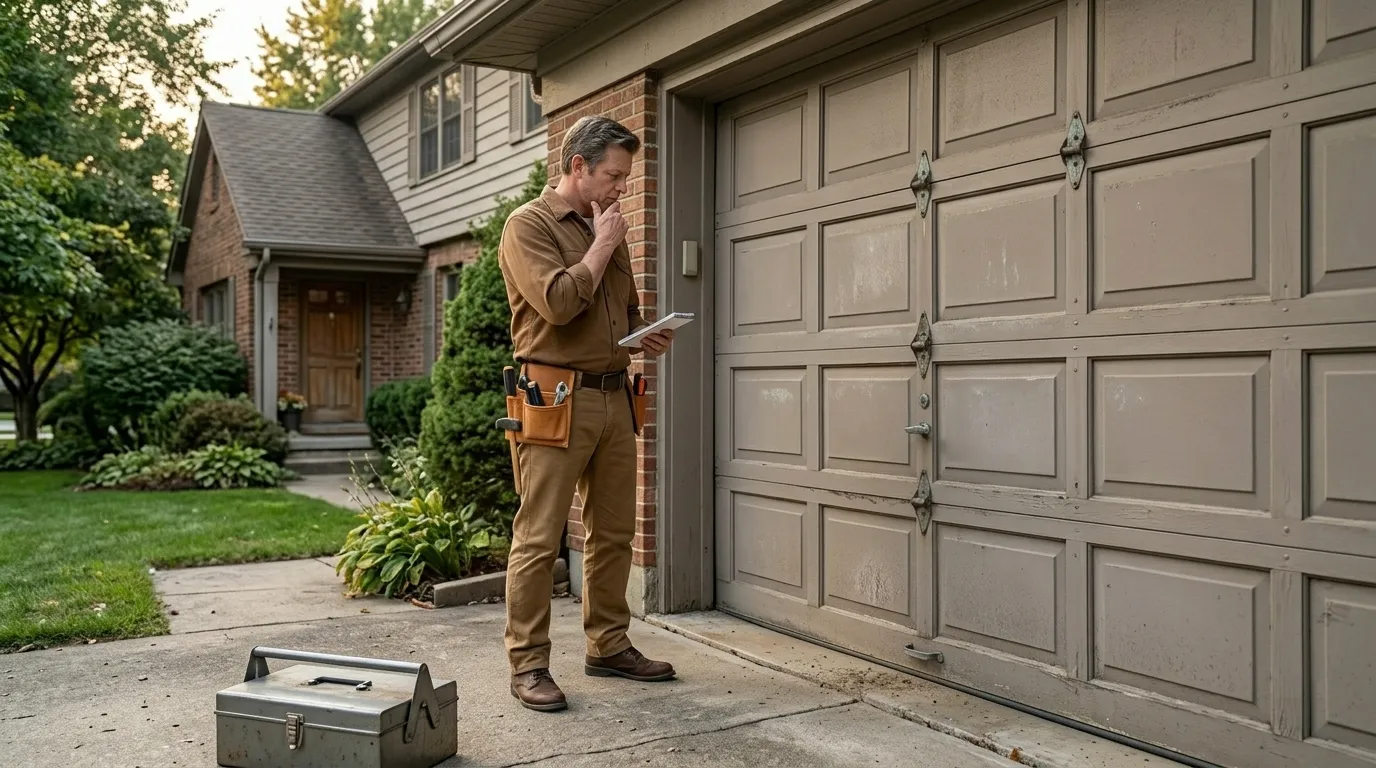
Before you think about insulation, look at the panel itself. On a door from the 1960s-70s bracket that covers most of the local stock, the panel is usually a single skin of steel or a wood composite, with nothing behind it. Press on it - if it flexes and booms rather than staying rigid, that's the uninsulated core doing exactly what it was built to do, not a sign of failure.
Next, check the weight the opener is fighting. These original doors are lighter than a modern insulated sandwich panel, so if a previous owner ever swapped in a heavier retrofit door without upgrading the springs, you'll see the opener straining or the door reversing partway up. That mismatch is common on houses this age because the door has likely been replaced once already since the house was built in 1968 or thereabouts, but the track and spring sizing sometimes never caught up.
Last, check the weatherstrip at the bottom and sides. On a door with no insulation, that strip is the only thing keeping wind and moisture out, and on an original 1960s frame it's often the one part nobody's replaced.
What we find
How Local Conditions Play In
Huntington Beach sits in a mild temperate band, so the single-layer steel or wood slab that came standard on a 1968-built garage rarely causes the heating and cooling headaches it would in a place with real winters. You're not fighting frozen tracks or ice-jammed rollers here. The climate argument for a full insulated replacement is genuinely softer in this service area than in a lot of the country.
What mild weather doesn't fix is age. A door built before insulation rules existed is still 55-plus years into its service life if it's original, and steel that thin fatigues at the hinge points and bottom bracket regardless of how gentle the weather's been. So the case for replacing one of these doors here tends to be about the hardware and the panel condition, not the temperature swing. If your door is original to a house from that 1953-1995 build window, the springs have almost certainly been changed more than once even if the door hasn't - that's usually the part worth checking before you spend money on foam core.
How we work
The Problem
On a house built in 1965, the door itself was never designed to hold heat - insulation rules didn't reach garage doors until long after your slab foundation went in. That's not a flaw you can fix by weatherstripping alone. The steel or wood core is what it is, and no amount of sealing the edges changes the fact that the panel itself is single-layer.
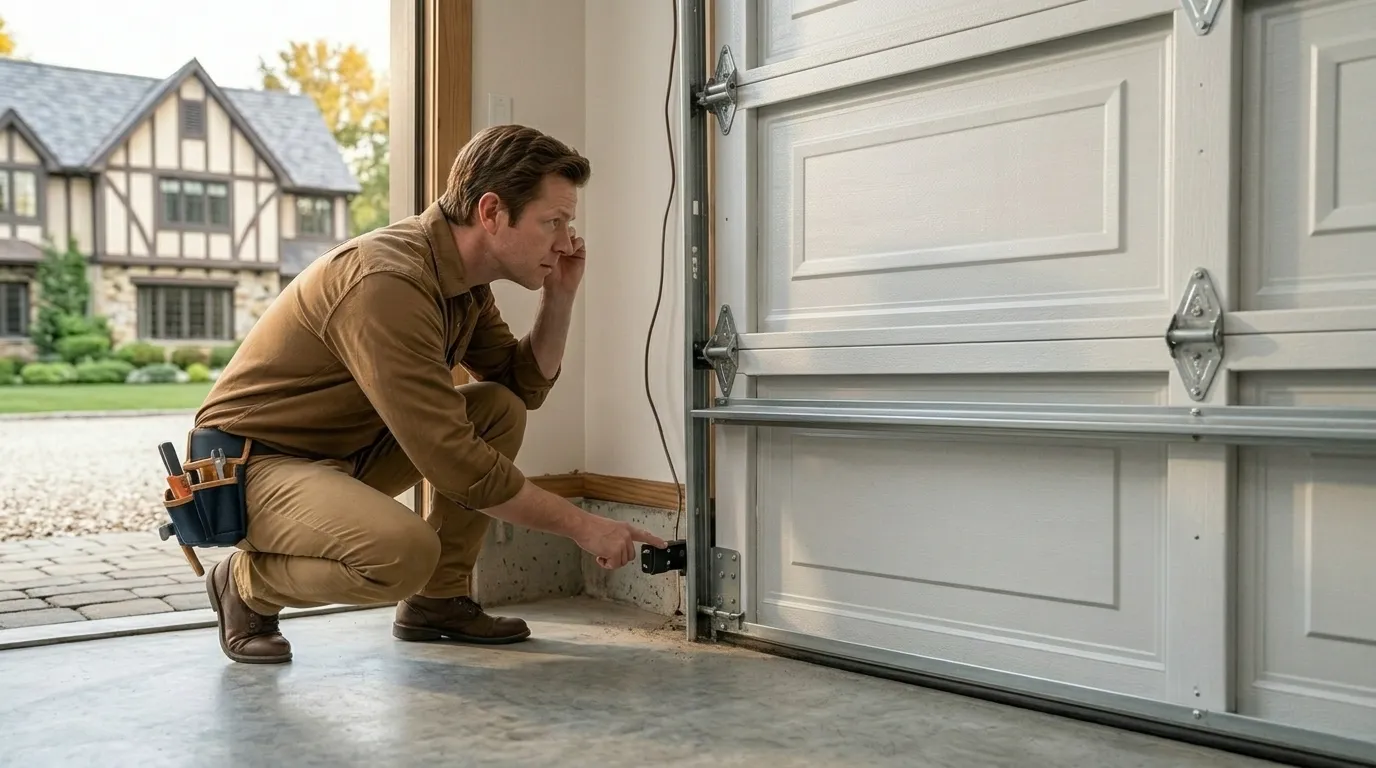
If your Huntington Beach home falls into that 1960s-70s bracket that makes up most of the local stock, the original door track and jamb were sized for a lighter, uninsulated panel. That matters if you're considering a foam-core replacement down the line, because a heavier door means new springs, sometimes a new opener, and occasionally new track - not just a panel swap. Because the median build year here lands around 1968, a lot of these original doors are still on their first or second opener, which tells you the door itself has outlasted more than one motor. That's usually a sign the hardware is fine and the only real gap is thermal, not structural.
Questions
Common questions
Is it worth insulating a garage door on an older Huntington Beach house
It depends on what the door's used for. If the garage backs onto a bedroom or living space, insulating cuts noise and temperature swing noticeably. If it's just for the car, the mild climate here means the payoff is smaller than in colder regions. Check the panel condition first - insulating a door with failing hinges or a bent track isn't worth doing yet.
How do I know if my garage door is original to the house
On houses from the 1960s-70s stock common across this area, an original door usually has a single steel or wood skin with no foam backing and a bottom bracket that's been repainted more than once. If you're not sure, we can look at the hinge stamping and track hardware when we're out for another job.
Does a heavier insulated door need new springs
Usually, yes. The torsion springs on a 1960s-era door were sized for a lighter uninsulated panel. Swap in a heavier foam-core door without upgrading the springs and the opener will strain or the door will reverse partway up. It's a small extra cost at install time, not something to skip.
Ready when you are
Need a garage door sorted in Huntington Beach?
Huntington Beach Garage Door Pros repairs and installs garage doors, springs and openers in Huntington Beach, CA and the surrounding area.