
Lomita, Huntington Beach CA
Garage Door Service for Lomita Homes
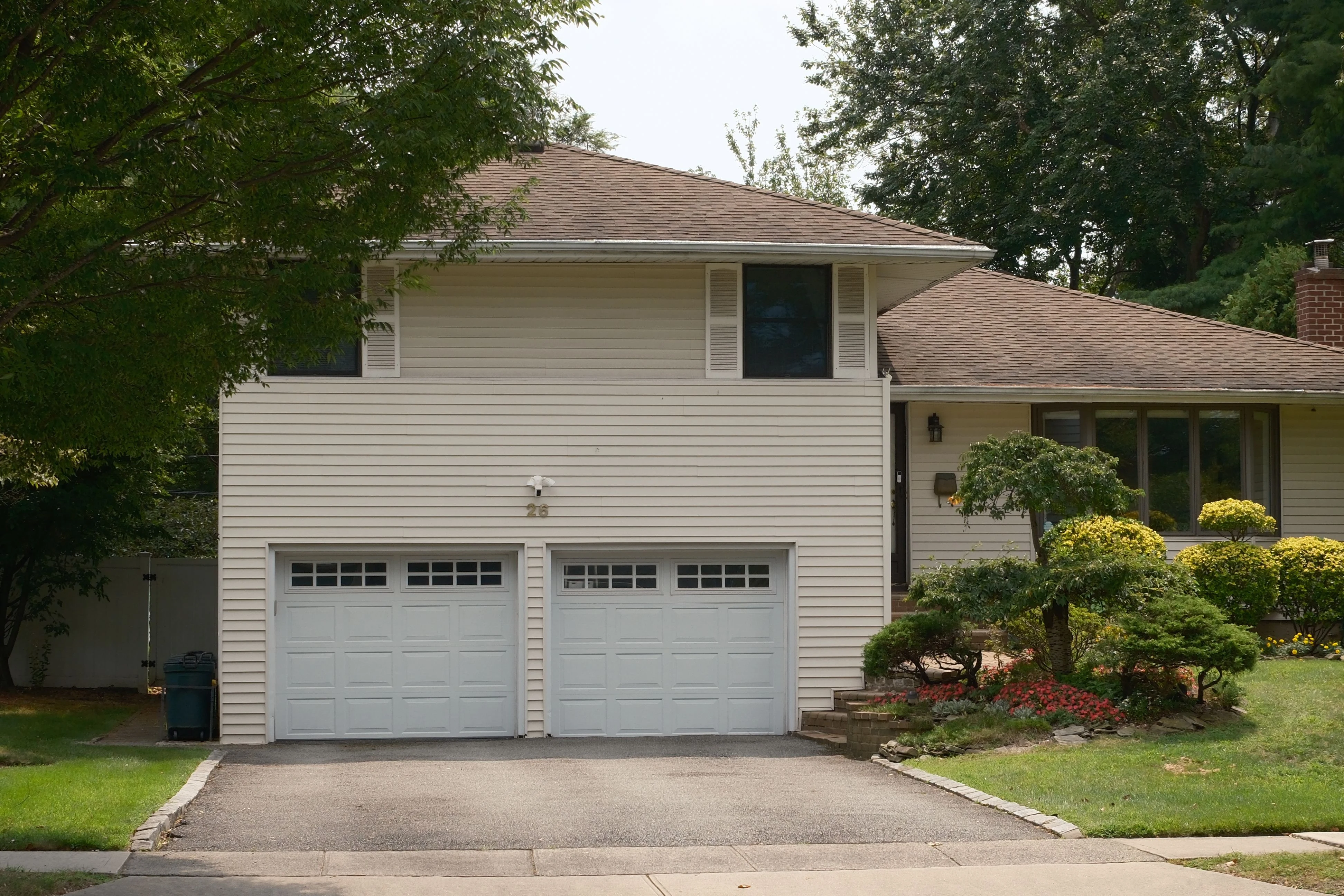
Lomita homes date to a median year of 1964, older than most of our service area. We travel from Huntington Beach to fix the doors and hardware that era left behind.
Local detail
The Houses Here
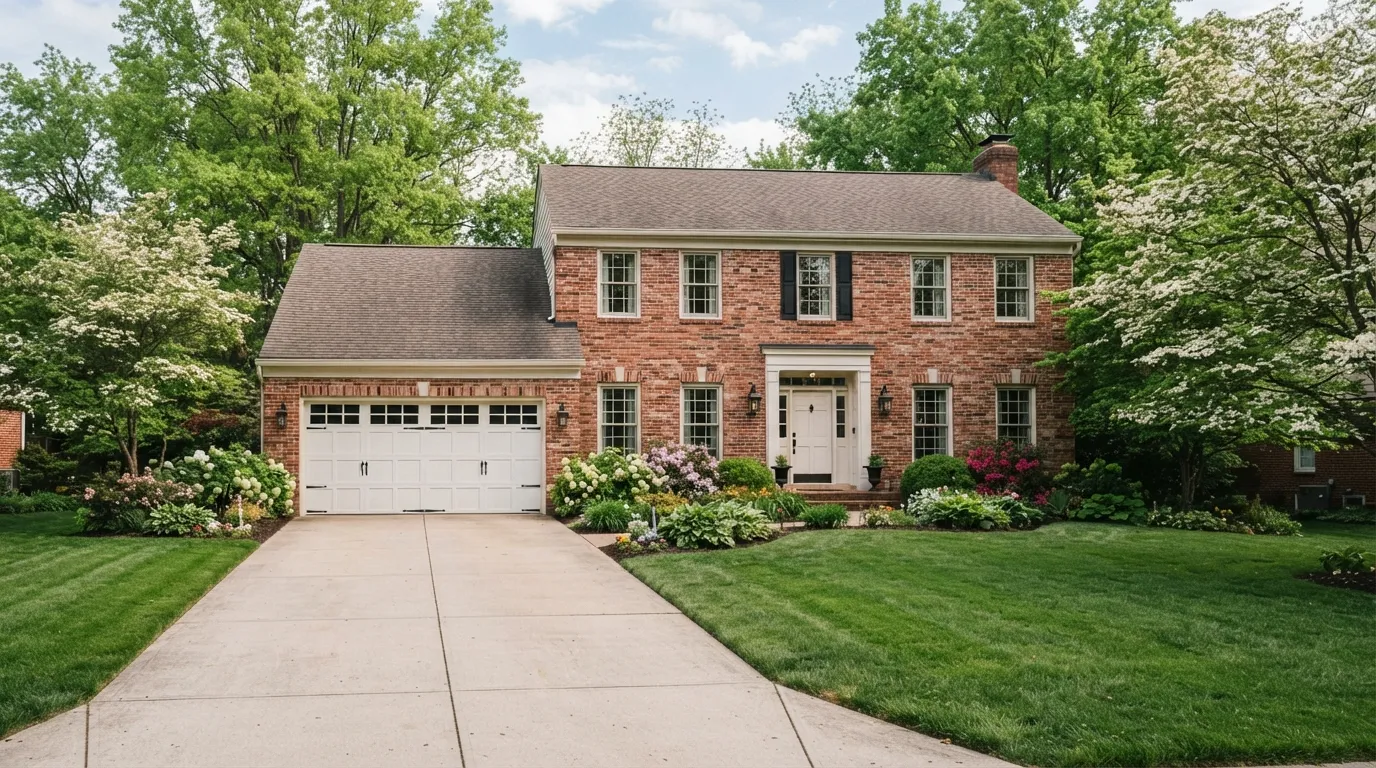
Lomita's median build year sits around 1964, a few years ahead of the 1968 median across our wider service area. That gap matters more than it sounds like. Houses from the early-to-mid 1960s in this part of the county were usually built with steel single-panel doors on extension springs, not the sectional torsion setups that showed up as the decade wore on. With 7,506 households in Lomita, you've got a fairly dense pocket of these older builds, many still running original hardware or a first-generation replacement from decades back.
The area sits inside the same mild temperate band as the rest of our coverage, so you're not fighting the freeze-thaw cycles that crack panels and seize springs elsewhere in the country. That's the one break Lomita gets. What it doesn't get a break on is age. A door installed in 1964 has had a full sixty years to wear out every bearing surface it has, and most owners never touch the hardware until something snaps.
Median household income here runs $92,920, a bit under the wider area's $101,138, which tends to mean more repair calls and fewer full-door replacements. That's not a value judgment, it's just what the parts and labor math tends to look like for a lot of households in Lomita.
The area
The Usual Work Here
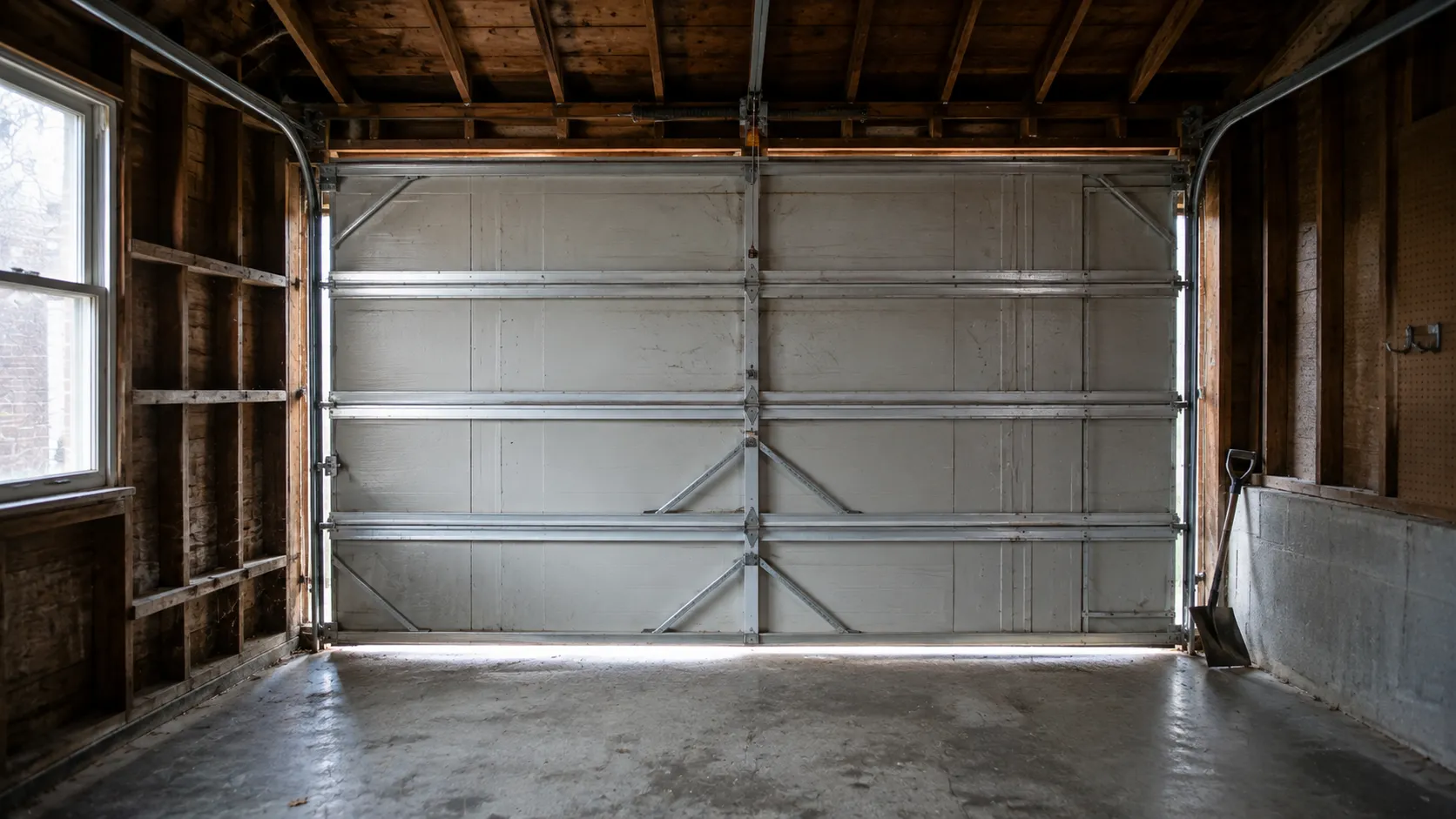
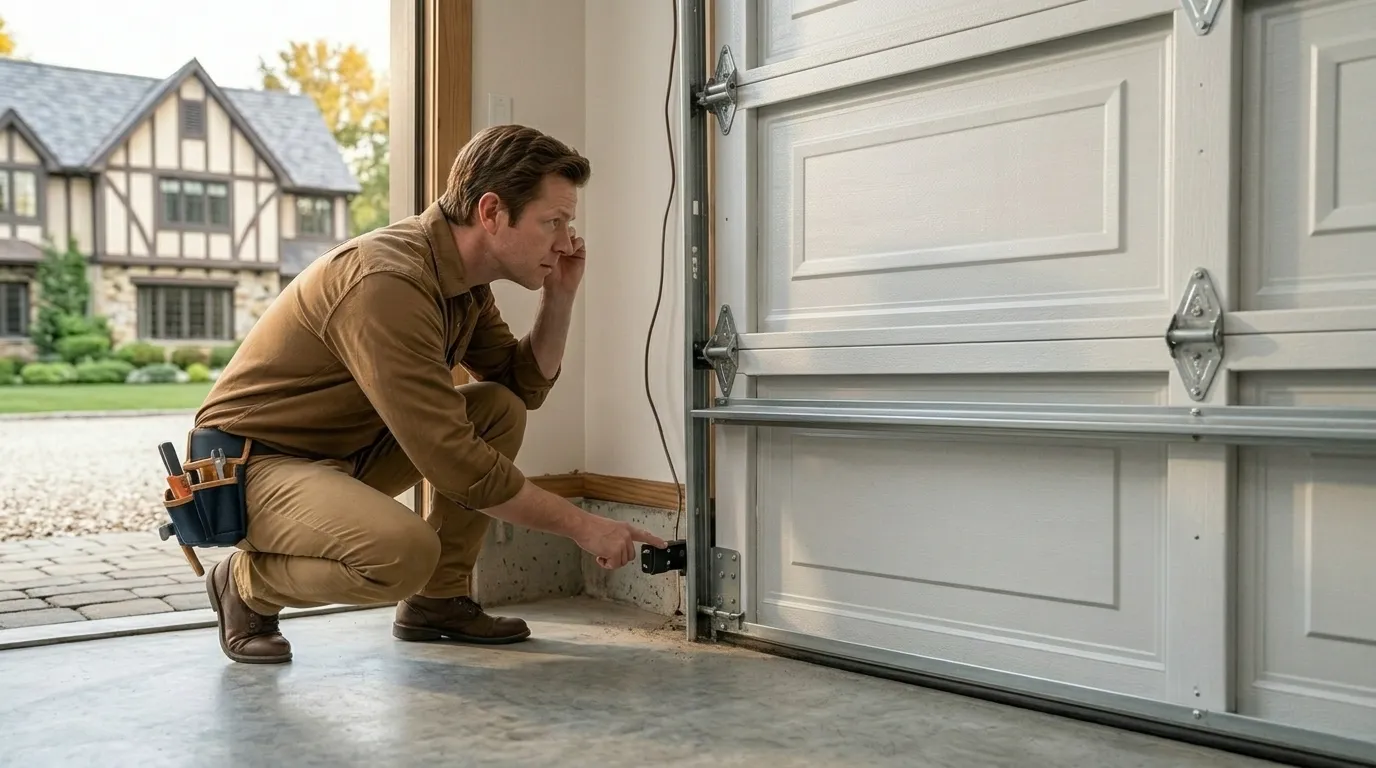
Given the age of the stock, the calls we get from Lomita skew toward extension spring failures rather than the torsion spring breaks common on newer doors. Extension springs stretch along the horizontal tracks instead of coiling above the door, and they wear differently - the coils fatigue, the safety cables (if they were ever added) corrode, and the pulleys they run through wear grooves that eventually let the cable jump.
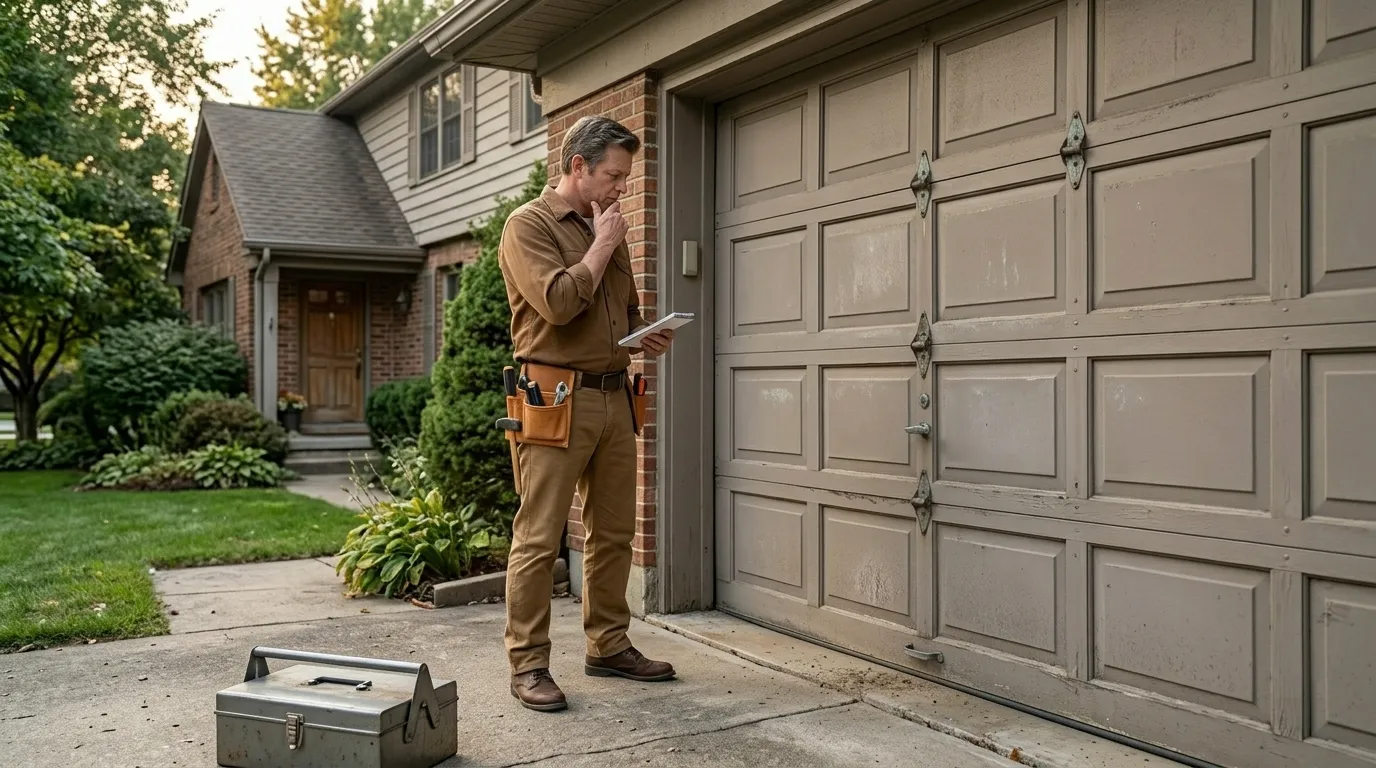
We also see a lot of original steel panels that have rusted through at the bottom section, where standing water and yard sprinklers have had sixty years to do their work. Rollers on these older doors are frequently the steel kind without bearings, which means more noise and more friction on the track over time. Openers are a mixed bag: some houses still have no opener at all and run on a manual lift, others have had two or three openers installed over the decades, each one mounted to bracket holes from the last unit.
We don't get many calls here for insulated panel damage or high-cycle commercial-grade openers, because that's not the housing stock. It's an older, simpler door population, and the work reflects that - springs, cables, rollers, and the occasional full track realignment where a door has been dragging for years before anyone called.
What we find
What the Housing Means for Your Door
A door built to 1964 spec was never engineered for today's opener horsepower or for the R-value insulated panels sold now. If you're replacing a door on one of these older Lomita houses, the jamb and header framing behind the old track brackets is often undersized by current standards, which means a proper install involves reinforcing that framing, not just bolting new track to what's there.
Extension spring systems also don't fail the same way torsion systems do. A torsion spring lets go all at once with a bang. An extension spring more often stretches out gradually, sagging the door on one side before it finally snaps - so if your door has started sitting crooked when closed, that's usually the warning sign, not a sudden event.
One more thing worth knowing: original hardware from this era was rarely labeled with cycle ratings or manufacturer stamps, which means when a part fails we're often matching by measurement rather than model number. That adds a little time to a repair call on these houses that a newer door in a newer neighborhood wouldn't need.
How we work
What We Do Not Do
We're honest about the limits here. We travel to Lomita from Huntington Beach, roughly 19 miles out, so we don't stock a depot of parts in town and same-day availability depends on what's already on the truck for jobs scheduled that day. For older extension-spring hardware or discontinued panel styles from the 1960s, we sometimes need to order a match rather than pull one off the shelf, and that can mean a return visit instead of a one-trip fix.
We also won't try to force a modern high-cycle opener onto framing that hasn't been reinforced first - if your header needs work before a new opener goes up, we'll tell you that up front rather than mount it and let it sag the track within a year. And if a door's cost to repair starts closing in on the cost to replace, especially on a rusted-through original panel, we'll say so instead of running up a repair bill on a door that's on its way out anyway.
Service areas
Other areas we cover near Lomita
Questions
Common questions
Why are Lomita garage doors different from newer parts of the service area?
Lomita's median build year is around 1964, a few years older than the wider area's 1968 median. That earlier build era usually means steel single-panel doors on extension springs rather than the sectional torsion doors common in later construction, which changes what typically breaks and how.
Do you keep a stock of parts near Lomita?
No. We run out of Huntington Beach, about 19 miles from Lomita, and bring parts on the truck for the job scheduled that day. Older or discontinued hardware from a 1960s-era door sometimes needs to be ordered rather than pulled off the shelf.
My door sags on one side before it closes - is that a spring issue?
On older extension-spring doors, that gradual sag is the typical warning sign of a spring nearing failure, rather than the sudden bang you'd get from a torsion spring letting go. Worth having it looked at before it fully gives out.
Should I repair or replace an original 1960s door?
It depends on the panel condition more than the age. If the steel is rusted through at the bottom section or the frame needs reinforcing for a new opener, replacement often makes more financial sense than another repair. We'll tell you honestly which side of that line your door is on.
Ready when you are
Need a garage door sorted in Huntington Beach?
Huntington Beach Garage Door Pros repairs and installs garage doors, springs and openers in Huntington Beach, CA and the surrounding area.