
Guide
Openers and Power Cuts: What Huntington Beach Garages Are Actually Dealing With
Huntington Beach homes mostly date to the 1960s and 70s. Here's what that means for your opener, your wiring, and what actually happens when the power drops.
Local detail
Doing Nothing For Now
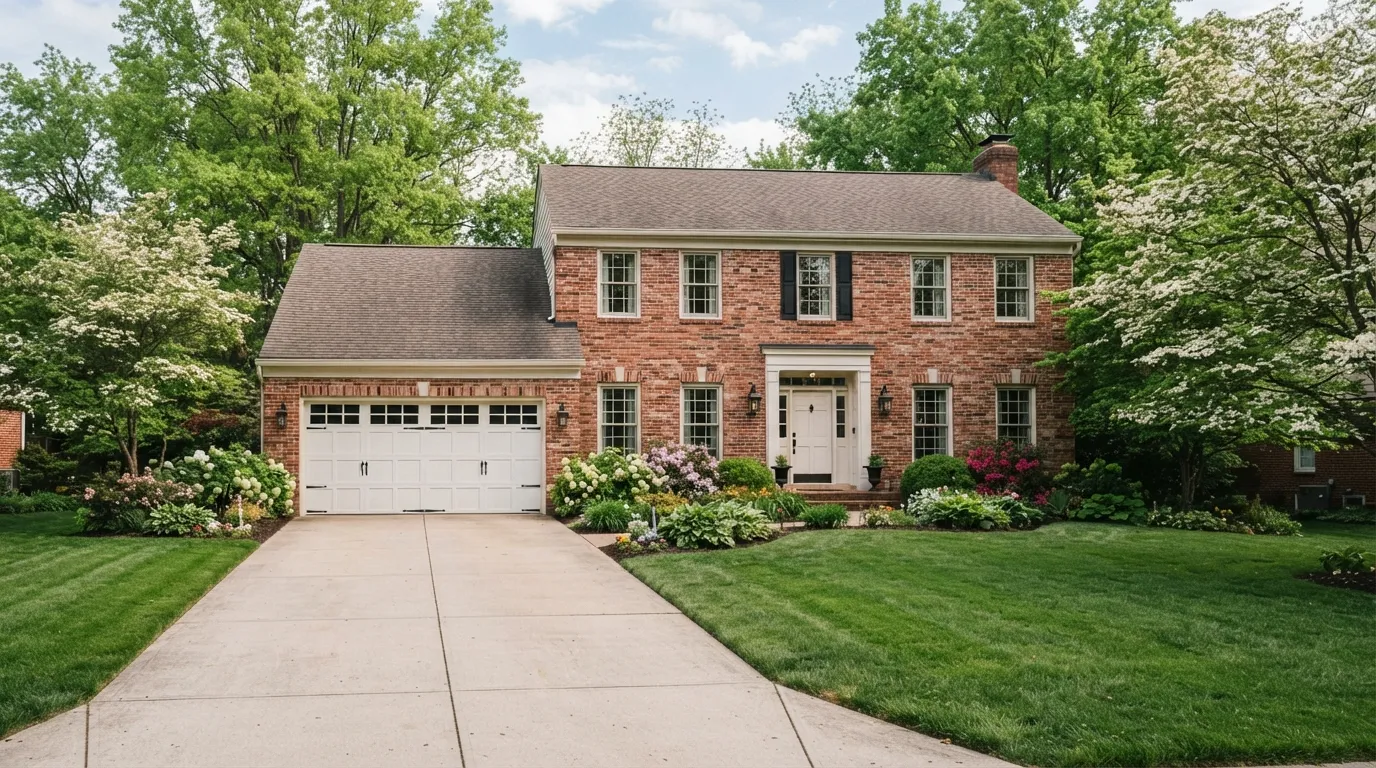
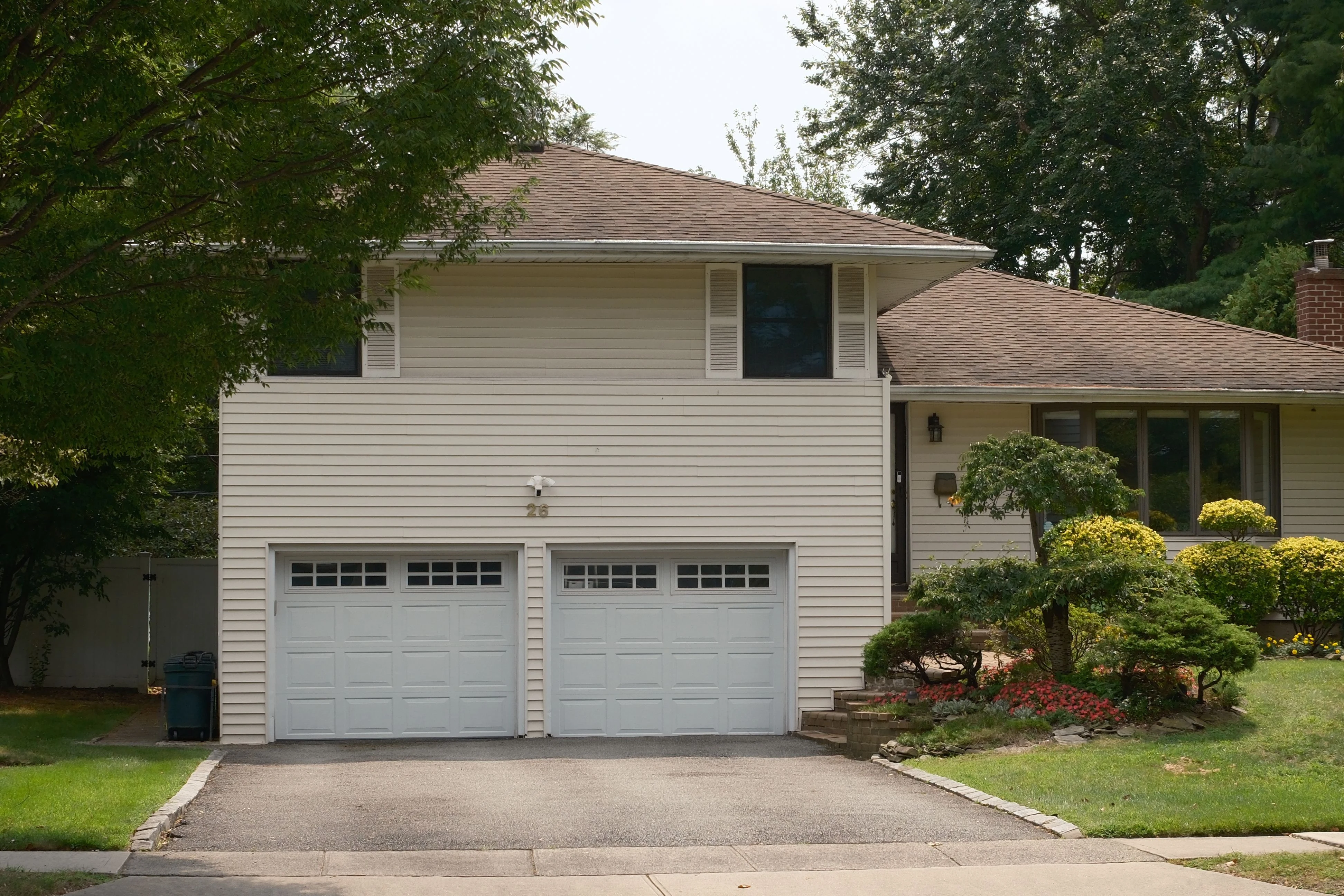
If your opener runs, don't replace it just because it's old. A lot of houses in this part of the county went up between 1953 and 1995, median right around 1968, and plenty of those garages are still running an opener that's outlived a couple of owners. That's fine, as long as it still reverses when it hits something and the manual release still pulls free.
Check both. If either one fails, that's not a maintenance item, that's a replace-now item, and no amount of lubricant fixes it. Otherwise, leave it alone.
The honest limitation here: we can't tell you your specific unit's age or brand from a fact sheet, and we're not going to pretend we can diagnose your garage without seeing it. What we can tell you is that in neighborhoods built in that 1960s-70s window, the wiring feeding the garage often predates the opener itself, which matters more than the opener's age when you're deciding whether to touch anything right now. If the circuit trips under load, that's your answer before the opener even factors in.
The area
What to Look At First
Start with the outlet, not the opener. Houses from the 1960s and 70s stock that makes up most of this stretch were wired for a light bulb and maybe a freezer, not a garage door motor with a battery backup board drawing current around the clock. If the opener sits on a shared circuit with anything else in the garage, that's worth knowing before you add a battery backup unit, because the backup charges constantly and an undersized circuit will nuisance-trip under that extra draw.
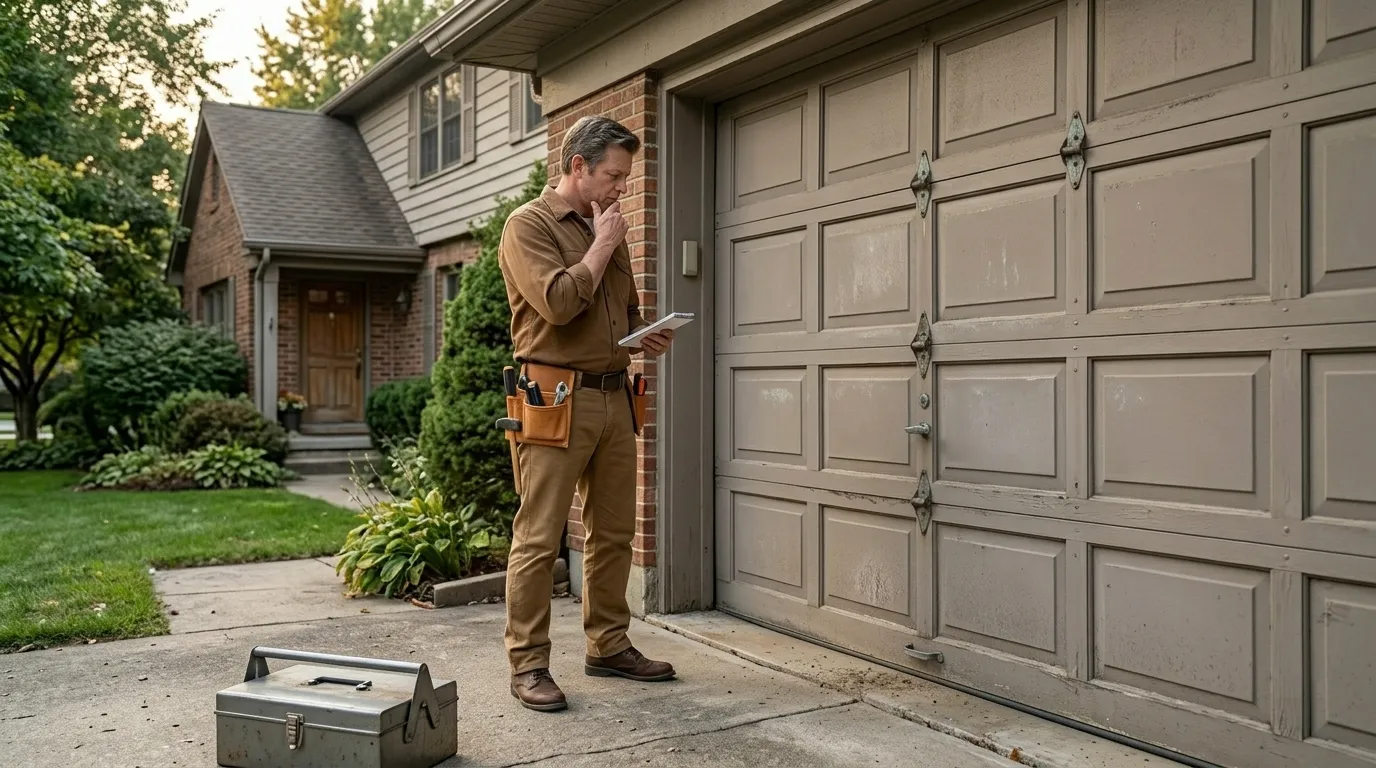
Second, check the manual release cord and make sure it hasn't been zip-tied out of reach by a previous owner, which happens more than you'd think in houses that have changed hands a few times since the 60s. Third, look at the travel limits. Original hardware from that era rarely has the soft-stop settings modern units default to, so a door that slams at the top or bottom on a 50-year-old track isn't a power issue at all, it's a limit switch that's drifted.
What we find
How Local Conditions Play In
This area sits in a mild temperate band, which works in your favor here in a way it doesn't in hotter inland service areas. Circuit boards in openers fail early most often from heat cycling, the board baking during the day and cooling at night, and that stress just isn't what it is a few miles inland. So when an opener's logic board dies young here, it's rarely the climate doing it.
That points the diagnosis somewhere else: wiring age, a bad capacitor, or a board that was already marginal from the factory. The service area stretches into Oak View a mile to the northeast and Sunset Beach four miles to the northwest, both sitting in that same mild band, so the pattern holds across this stretch rather than being one street's problem. What the climate here doesn't spare you is salt air near the coast working on unprotected terminals and connectors over the decades, which is a slower, quieter failure than heat stress but shows up eventually as corroded contacts inside the opener housing on older units.
How we work
The Problem
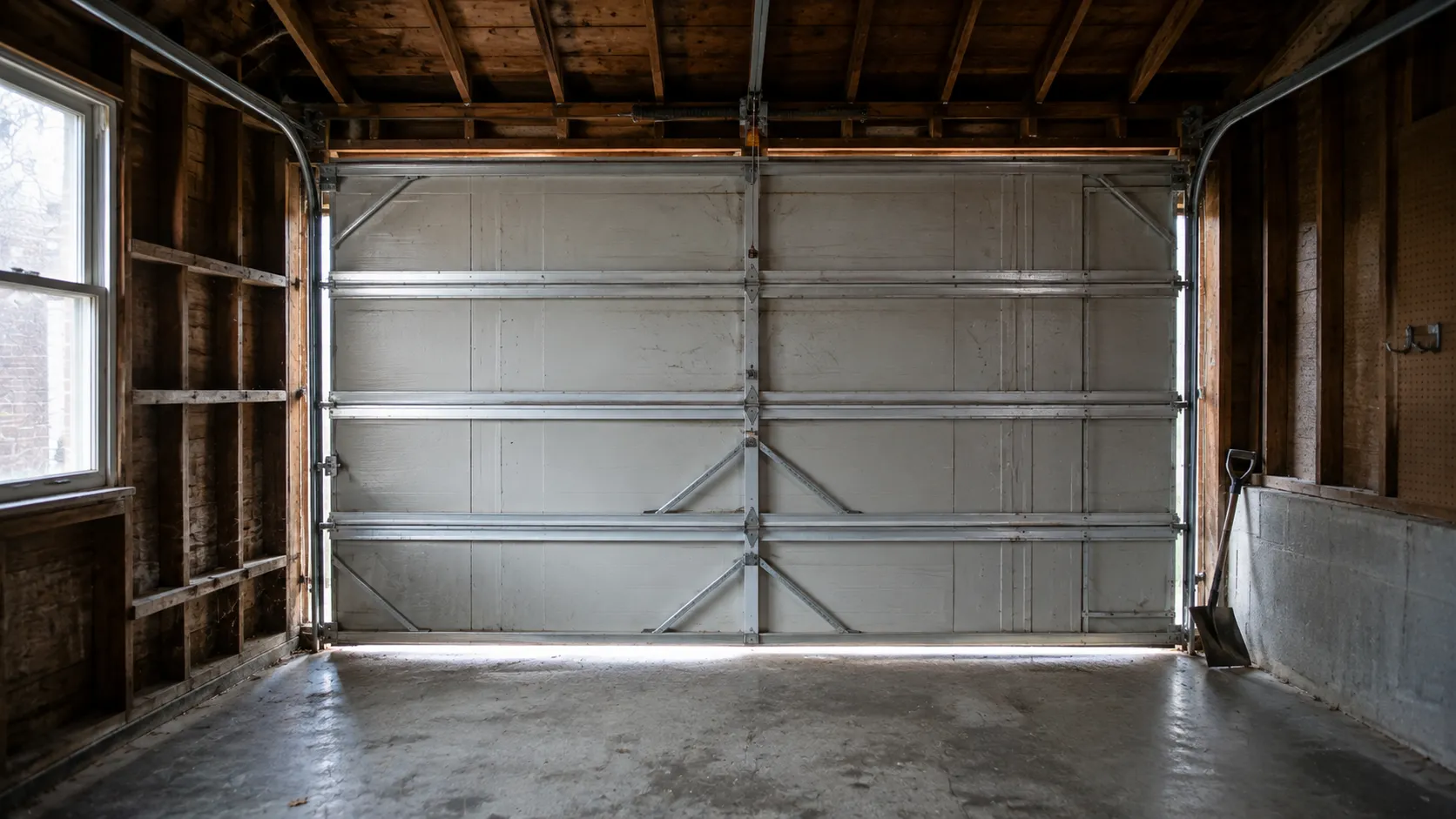
When the power cuts, a garage door opener does exactly nothing, and on a lot of the original hardware still installed in houses from this build era, that's a bigger deal than it sounds. Older units without a battery backup leave the door wherever it stopped, and the manual release only works if someone can reach it and knows to pull it before yanking the door up by hand, which is heavier than most people expect on a double door with worn springs. This isn't a climate problem or a wiring problem, it's a design problem baked into equipment that predates battery backup as a standard feature.
The fix is a battery backup unit added to the existing opener, or a full opener swap if the existing one is too old to accept an add-on board, and that decision usually comes down to what's already installed rather than anything we can generalize. We don't stock every backup board for every decades-old opener model, so sometimes the honest answer on a service call is that replacement is faster and cheaper than sourcing a part for a unit that age.
Questions
Common questions
Should I add a battery backup to my existing opener or just replace it?
Depends on the opener. Newer models often accept a battery backup add-on directly. Older units common in houses from this area's 1960s-70s stock frequently can't take one, so replacement ends up being the faster and cheaper route. We can tell you which category yours falls into once we see the model.
Does Huntington Beach's climate shorten opener life?
Not from heat. This area sits in a mild temperate band, so openers here don't take the same heat-cycling stress that shortens circuit board life inland. Salt air near the coast is the slower factor, working on exposed terminals and contacts over years rather than baking the board.
My house is from the 1960s. Is the garage wiring a problem for a new opener?
Possibly. A lot of the stock in this area was wired for basic lighting, not a motor plus a battery backup board drawing power continuously. Worth having the circuit checked before you add backup power, since an undersized circuit will trip under the extra load.
What happens to my garage door in a power cut if I don't have backup?
It stays put wherever it stopped. You'd need to find the manual release cord and pull it before lifting the door by hand, and on a heavier double door with any spring wear, that's more weight than it looks like. A battery backup avoids the whole situation.
Ready when you are
Need a garage door sorted in Huntington Beach?
Huntington Beach Garage Door Pros repairs and installs garage doors, springs and openers in Huntington Beach, CA and the surrounding area.