Huntington Beach, CA

24-Hour Garage Door Repair for Huntington Beach Homes

Emergency garage door repair in Huntington Beach, CA for homes built between 1953 and 1995: broken springs, stuck doors, and opener failures, day or night.

24-Hour Garage Door Repair for Huntington Beach Homes in Huntington Beach
Same-day service in most cases
Serving Huntington Beach, CABackground-checked techsHonest, upfront pricingFast local response
1953–1995
Typical build years of local homes
1968
Median year homes were built
15K
Typical spring cycle rating
Mild climate
Climate that shapes door wear

The repair

What the Repair Takes

An emergency call almost always starts the same way - the door is stuck, a spring has let go, or the opener runs but the door won't move. Here's how we work through it, from killing the power to fitting parts matched to a door that's often decades older than its hardware was built to last.

  1. Kill power, then diagnose

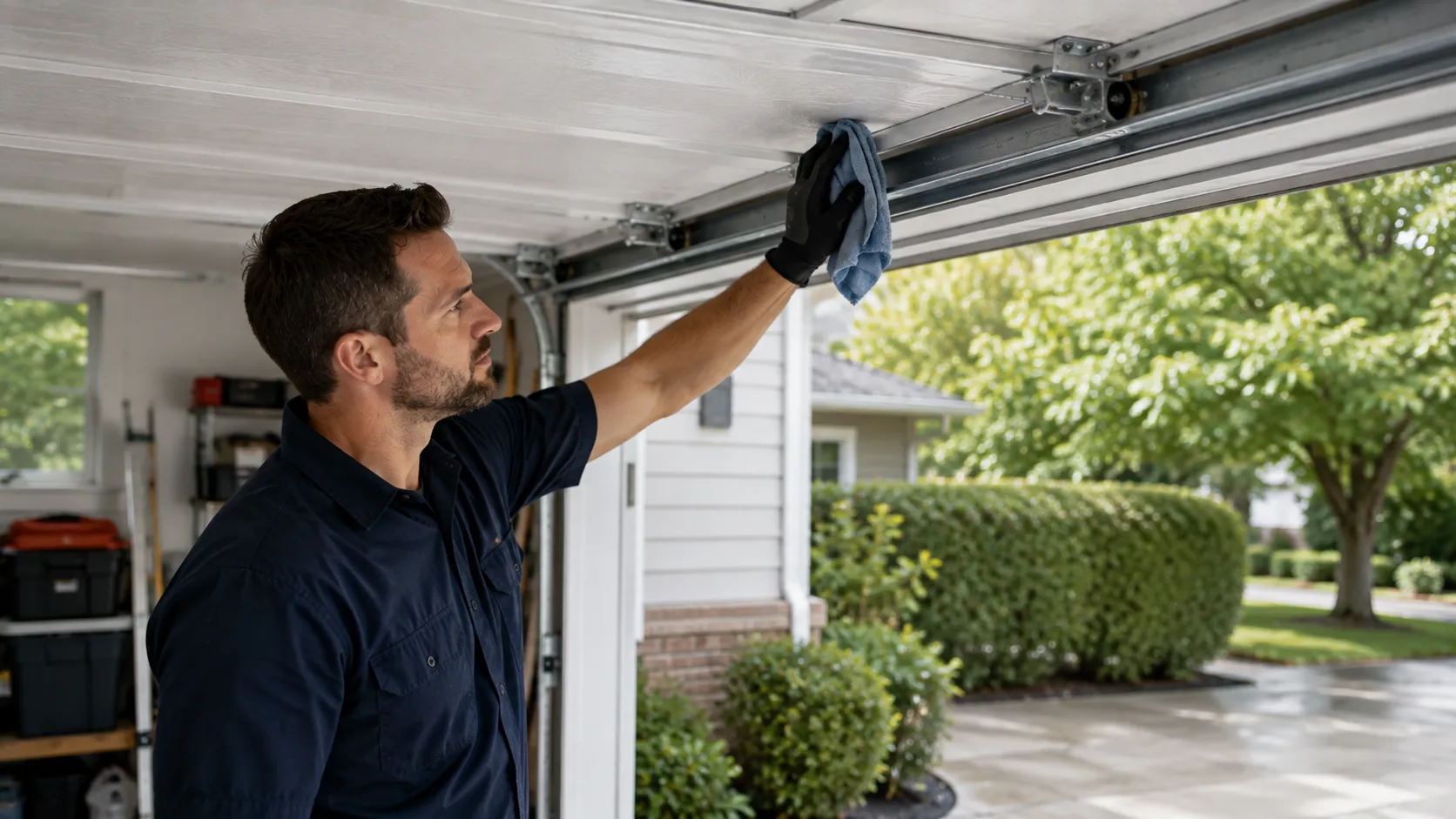
    The first move on every emergency call is killing power to the opener before anyone touches a cable or spring under tension. From there it's diagnosis: is the torsion spring snapped, is a cable frayed off the drum, has a roller jumped the track, or has the opener's drive gear stripped out.

  2. Check the surrounding hardware

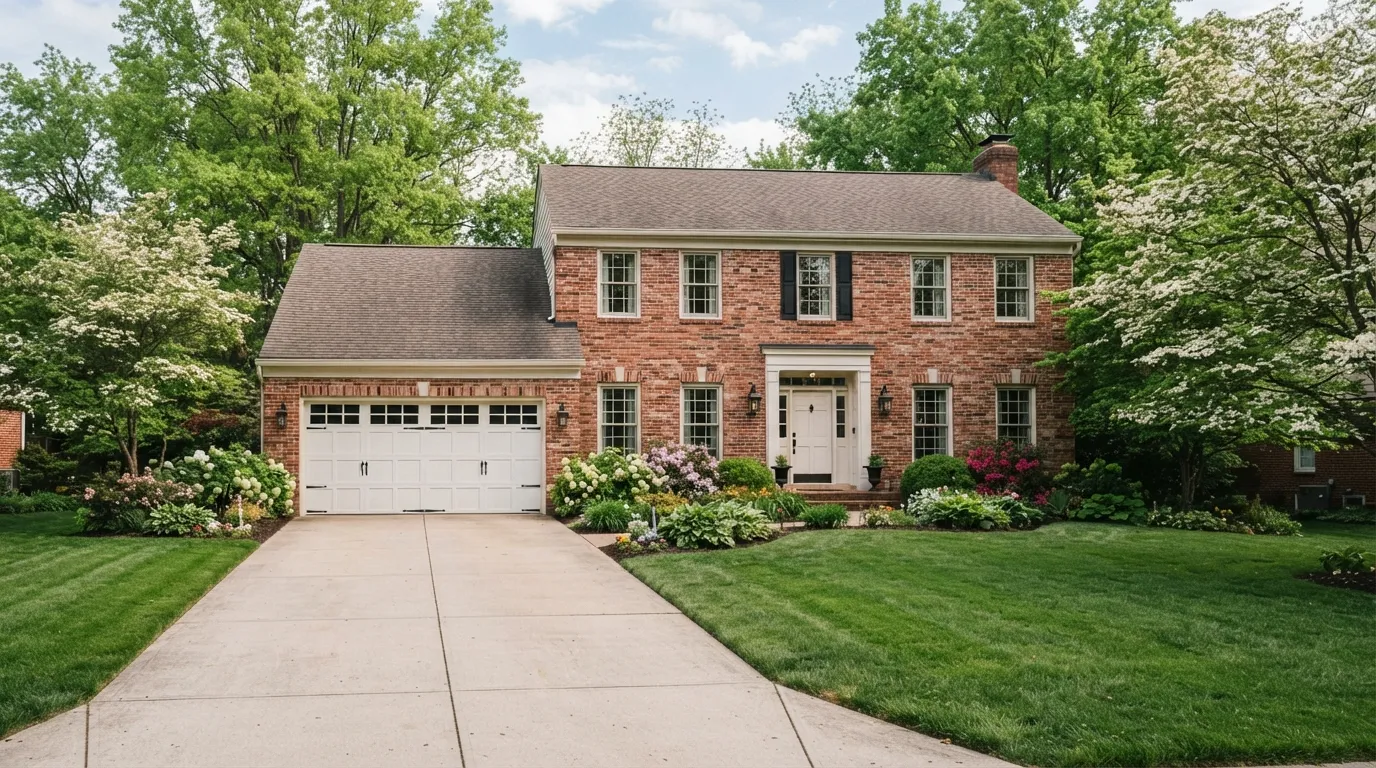
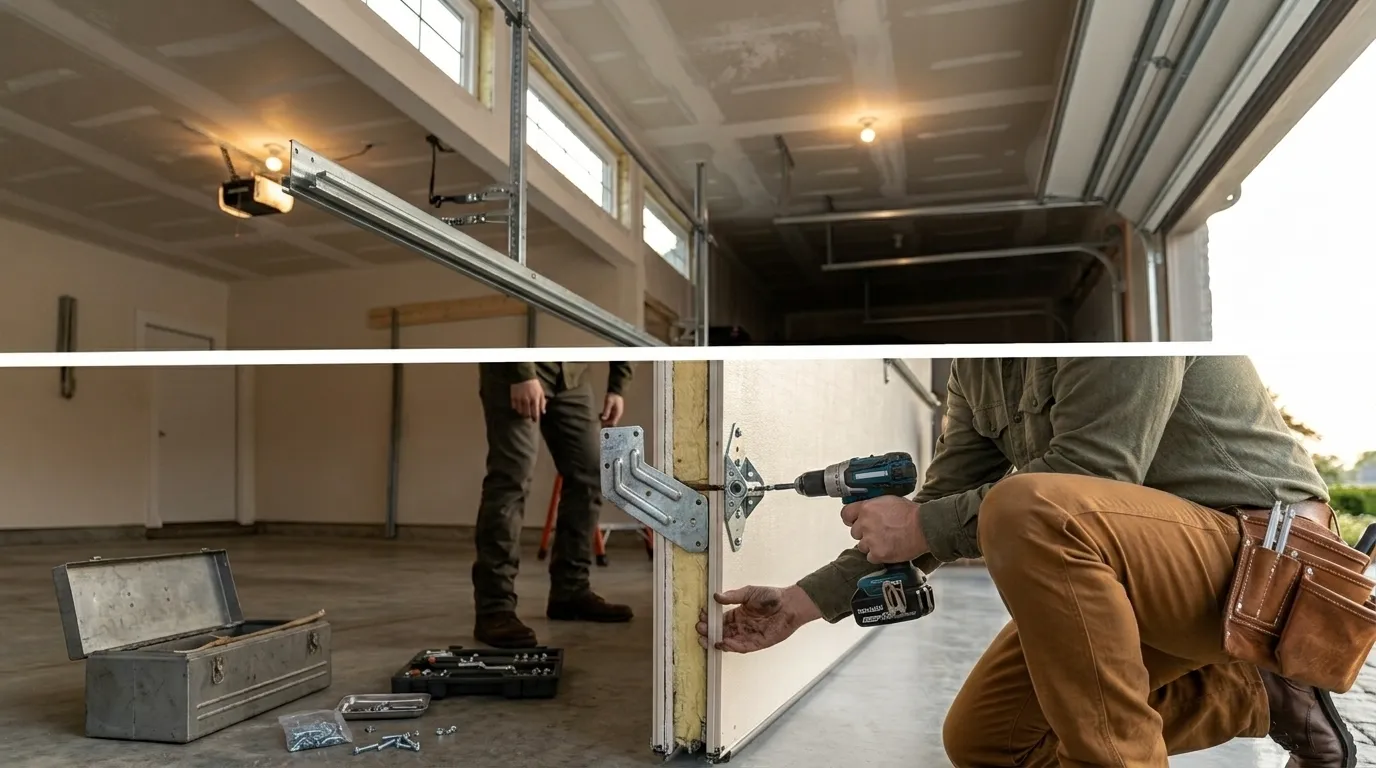
    Most houses in this service area went up between 1953 and 1995, with the typical build year sitting around 1968, so a lot of original torsion springs and side-mounted track hardware are still doing the job decades past their design life. On a door that old, the repair usually isn't just the broken part - it's checking whether the drum, bearing plate, and track are still true, since a spring that snapped from age often took some wear on everything around it too.

  3. Replace with matched parts

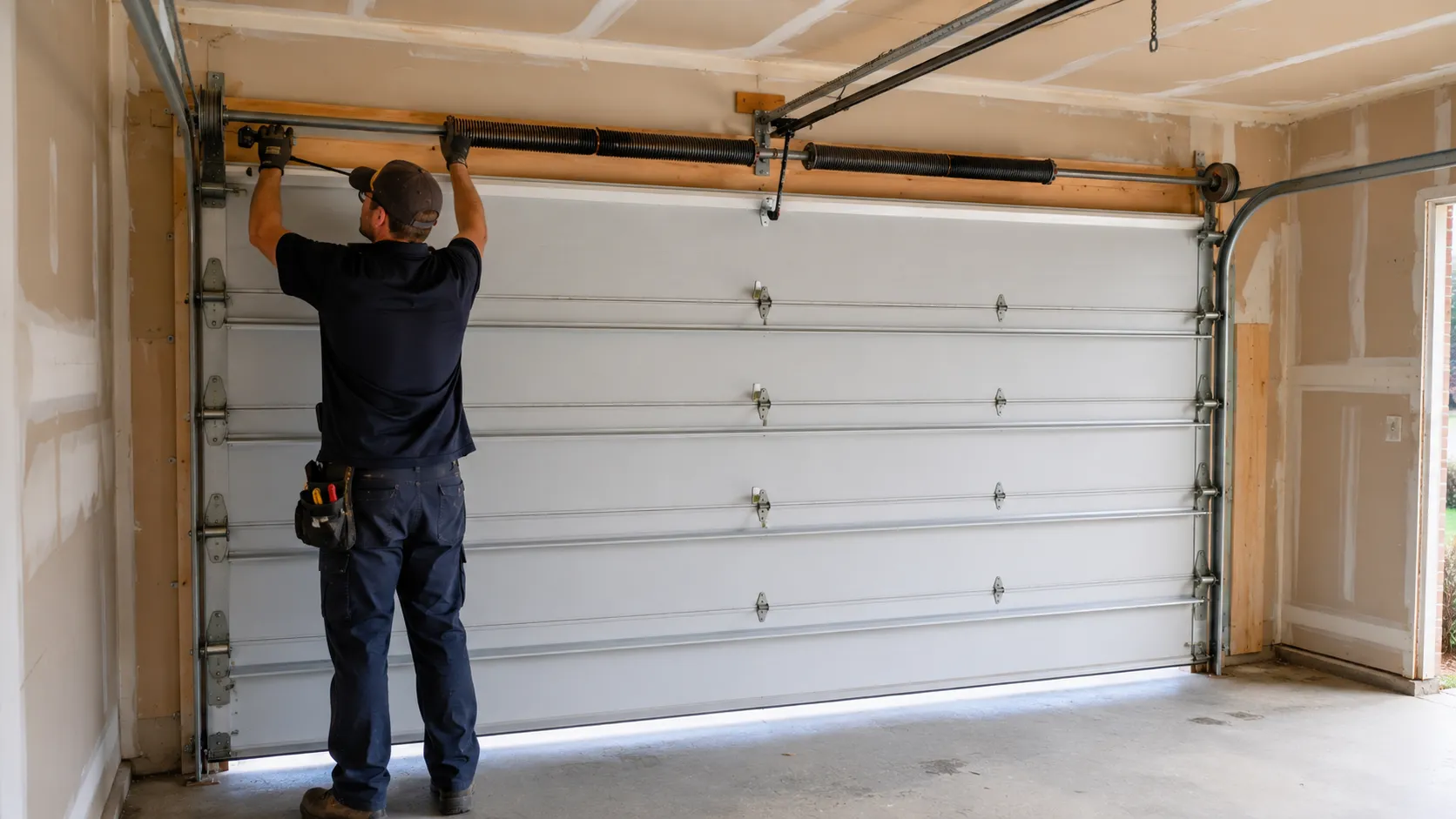
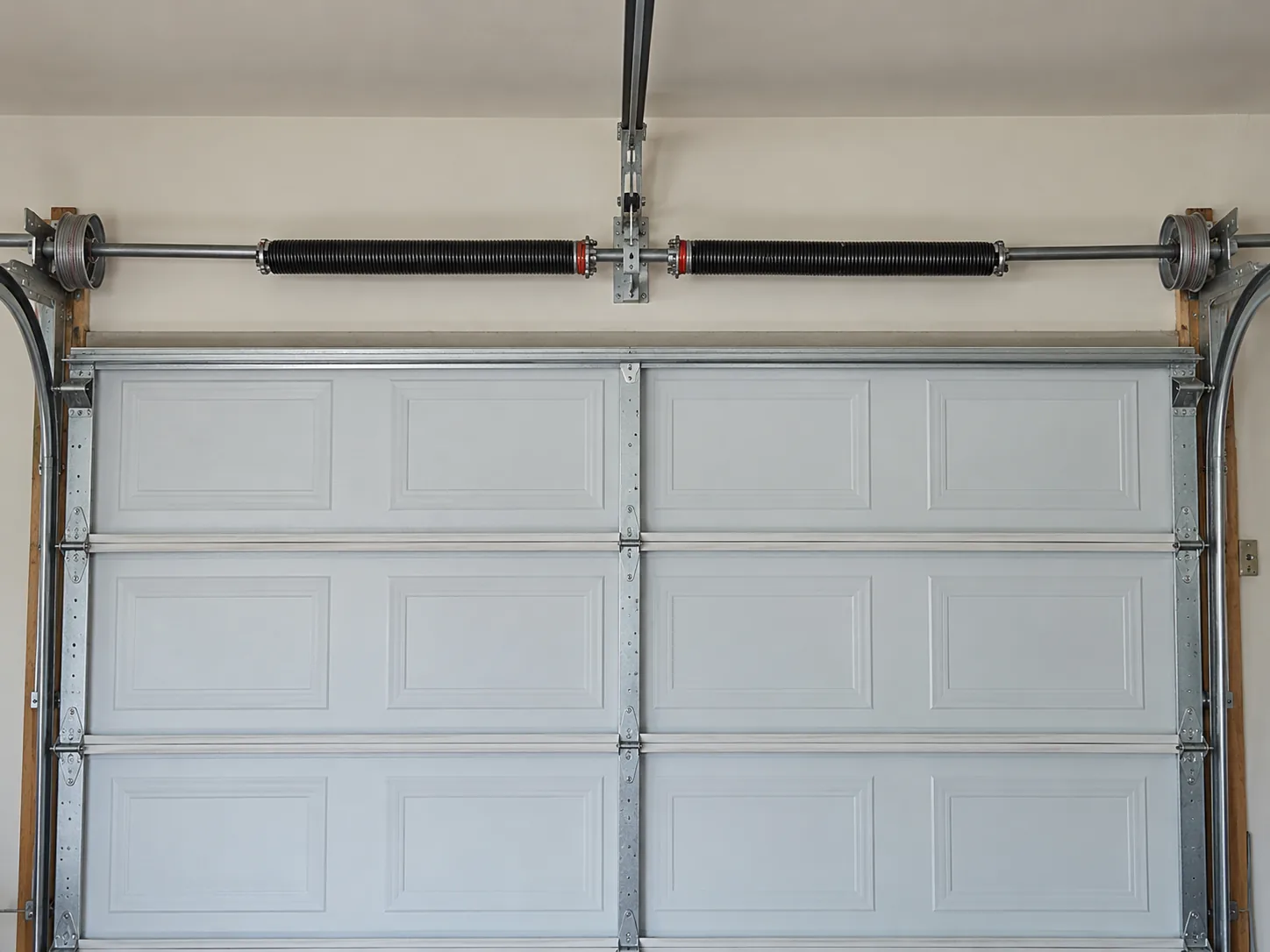
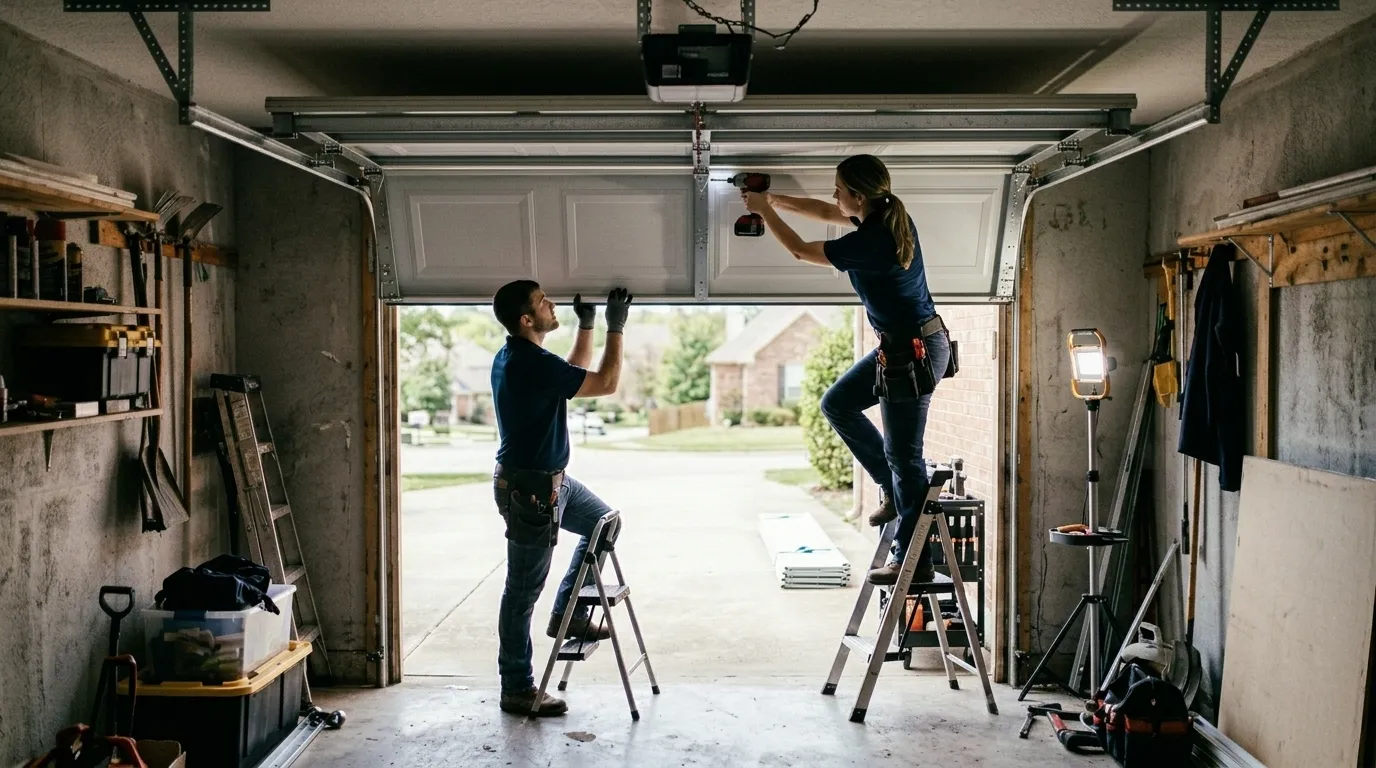
    Once the diagnosis is done, the job is straight mechanical work: matched springs sized to the door's weight and width, cables rated for the drum, and rollers and hinges swapped where they're worn thin. On a double-wide door that means two springs, wound to match, not one spring doing the work of two.

  4. Never reuse a worn spring

    We don't reuse a spring that's already stretched or discolored from age, even when the rest of the hardware still looks serviceable. Half a repair is worse than none, so if a spring shows that kind of wear on the coil, it comes off the door for good rather than going back on.

Pricing

The Cost of This Job

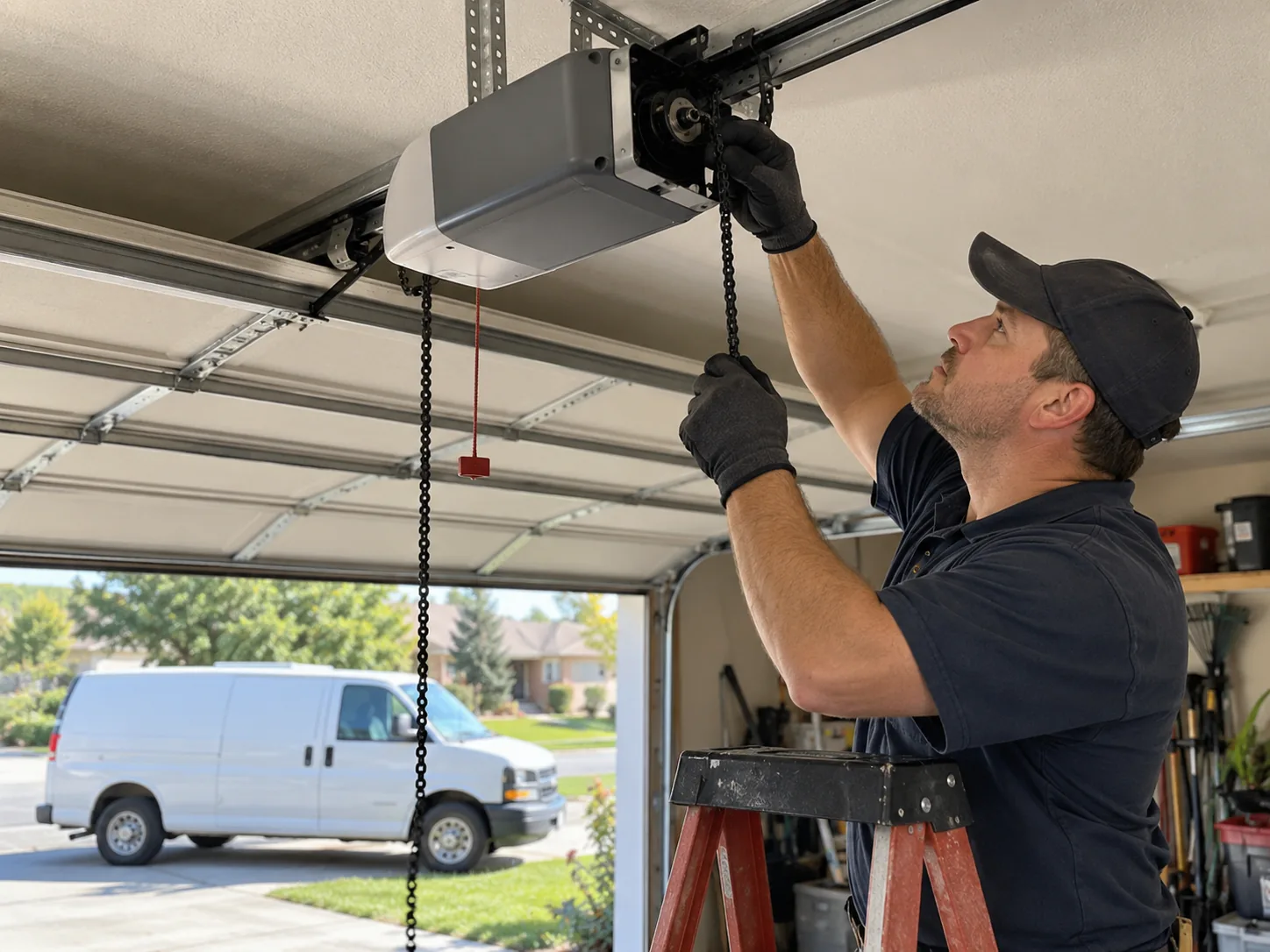
We're not going to put a number here that doesn't hold up once a tech is standing in your driveway looking at the actual door, spring size, and opener model - too many variables change the number for that to be honest. What we can tell you is what moves the price: whether it's one spring or a matched pair, whether the drums or cables need replacing along with the spring, and whether the opener itself is original to the house or a later swap.

Here's the honest part. On a door with 1960s or 70s hardware - common across this stock given the 1953-1995 build range - sometimes the track, hinges, and drums are worn enough that patching just the broken piece means you're back out here in a year for the next failure. When that's the case, we'll tell you plainly that a full hardware replacement, not a single-part repair, is the better use of your money. We'd rather lose the smaller ticket than sell you a repair that doesn't hold.

One limitation worth saying straight: if a part is genuinely obsolete - an odd-sized drum or a discontinued opener board from an original 1960s install - sourcing it can take longer than the emergency itself, and replacement ends up faster than waiting on a part nobody stocks.

The Cost of This Job

Symptoms

The Symptom

The call usually comes in one of a few forms, and what you hear or see in the moment it happens is often the fastest way to tell which part failed, long before a technician ever gets a look at the door.

Loud bang, door won't move

A loud bang from the garage, then the door won't budge, is a torsion spring letting go - the single most common emergency call we get. The door looks fine sitting there, but it weighs 130 to 400 pounds depending on size, and without the spring holding that weight, it isn't moving safely on its own.

Motor runs, door won't lift

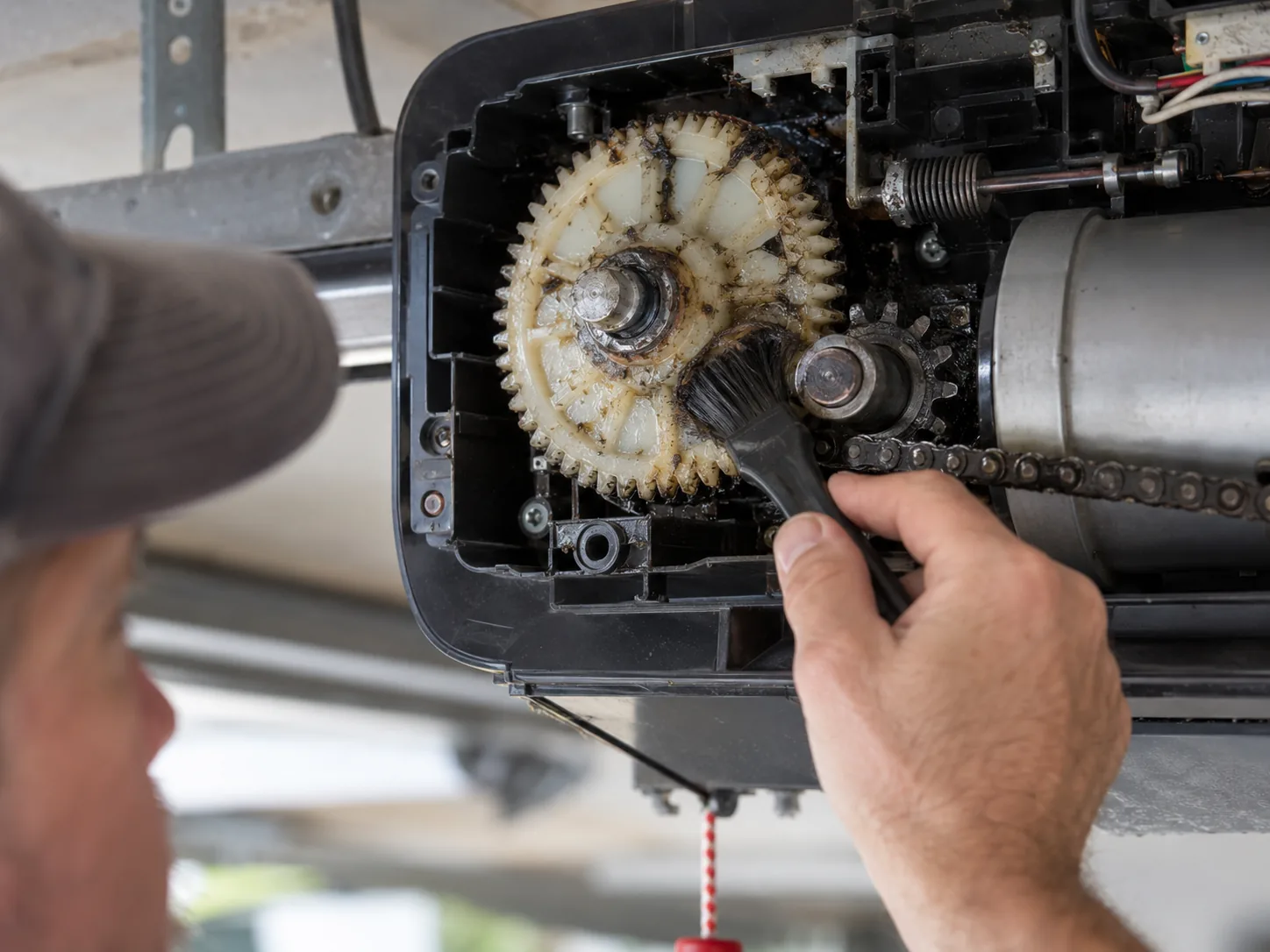
Other times it's quieter: the opener motor runs, you can hear the gear turning, but the door doesn't lift, or it lifts a few inches and stops. That's usually a stripped drive gear inside the opener, or a cable that's come off the drum on one side, which also tends to leave the door hanging crooked, low on one corner.

Roller off the track

Sometimes a roller jumps the track entirely, especially on an older track that's bent slightly from years of use, and the door binds hard partway up or down. On some of the oldest installs, the whole assembly - spring, drum, and track together - is original hardware from the initial build, meaning any one of these can be the first domino to fall, not the last.

Local causes

Why It Happens Here

Housing age and cycle count, not weather, explain most of what we see out here - here's how the local building stock, household numbers, and climate all line up to produce the failures we get called out for.

A mild climate, not the cause

Across the 37 named communities in this service area, the majority of the housing stock dates to the 1960s and 70s, and the region sits in a mild temperate climate band - not the desert heat swings or hard freezes that stress metal through expansion and contraction. That matters for diagnosis: when a spring snaps here, it's almost always age and cycle count, not a heat event.

Original hardware, decades of cycles

With 187,832 owner-occupied houses across the service area, a good share are still running the same original 1960s hardware that was never built to last this long. Most torsion springs are rated for 10,000 to 15,000 cycles, and a door opened twice a day reaches that count faster than most owners expect.

The same pattern, house to house

From Midway City three miles out to Los Alamitos eight miles away, the door stock across our service area skews the same way - old and original, installed once and rarely touched since. So the failures we see aren't storm damage or weather events; they're metal fatigue on parts that have quietly been doing the job since before most of the neighborhoods around here had their current names.

Questions

Common questions

How fast can someone get to my house for a broken spring?

We don't have a published guaranteed window to quote you here, and any number we gave without confirming your location and the day's call volume wouldn't be honest. What we can say is a snapped spring is treated as the priority call it is - it's the most common emergency we handle.

Can I open the door myself if the spring is broken?

Not safely, no. Without the spring holding the weight, the door can drop fast and the release handle won't stop it once it's moving. Leave the car inside if you have to and wait for a tech rather than forcing it open by hand.

Why did my spring break with no warning?

Torsion springs fail from fatigue, not from a single event - they're rated for a set number of open-close cycles, and once a spring hits that count, it can go on an ordinary day like any other. On a house with original 1960s or 70s hardware, that count was reached a long time ago.

Is it ever cheaper to replace the whole door than repair it?

Sometimes, yes. If the track, drums, and hinges are as worn as the broken spring, patching one part just delays the next failure. We'll tell you when that's the case rather than sell a repair that won't hold.

Ready when you are

Need a garage door sorted in Huntington Beach?

Huntington Beach Garage Door Pros repairs and installs garage doors, springs and openers in Huntington Beach, CA and the surrounding area.

Call NowGet a quote