Doing Nothing For Now
If you've got a thin line of daylight along the bottom of your door, or a draught that only shows up on breezy afternoons, it's tempting to leave it. In a lot of climates that's a bad idea - cold air pours in and the heating bill jumps. Here it's a smaller problem. Our climate band sits mild temperate, so a gap at the threshold isn't costing you the same money it would in a place with real winters. What it is doing is letting in fine grit and moisture, which over months works into the track and the bottom panel seam.
Most of the housing across this service area went up between 1953 and 1995, median around 1968, which means a lot of doors still running original or first-replacement seals that were never rated for salt-air exposure this close to the coast. Doing nothing for a season won't hurt the door. Doing nothing for several years usually means the bottom seal has hardened and cracked past the point of just swapping the vinyl strip, and you're looking at a bottom panel instead of a $20 part.
So the honest answer: a small draught can wait a while here. It shouldn't wait indefinitely.
What to Look At First
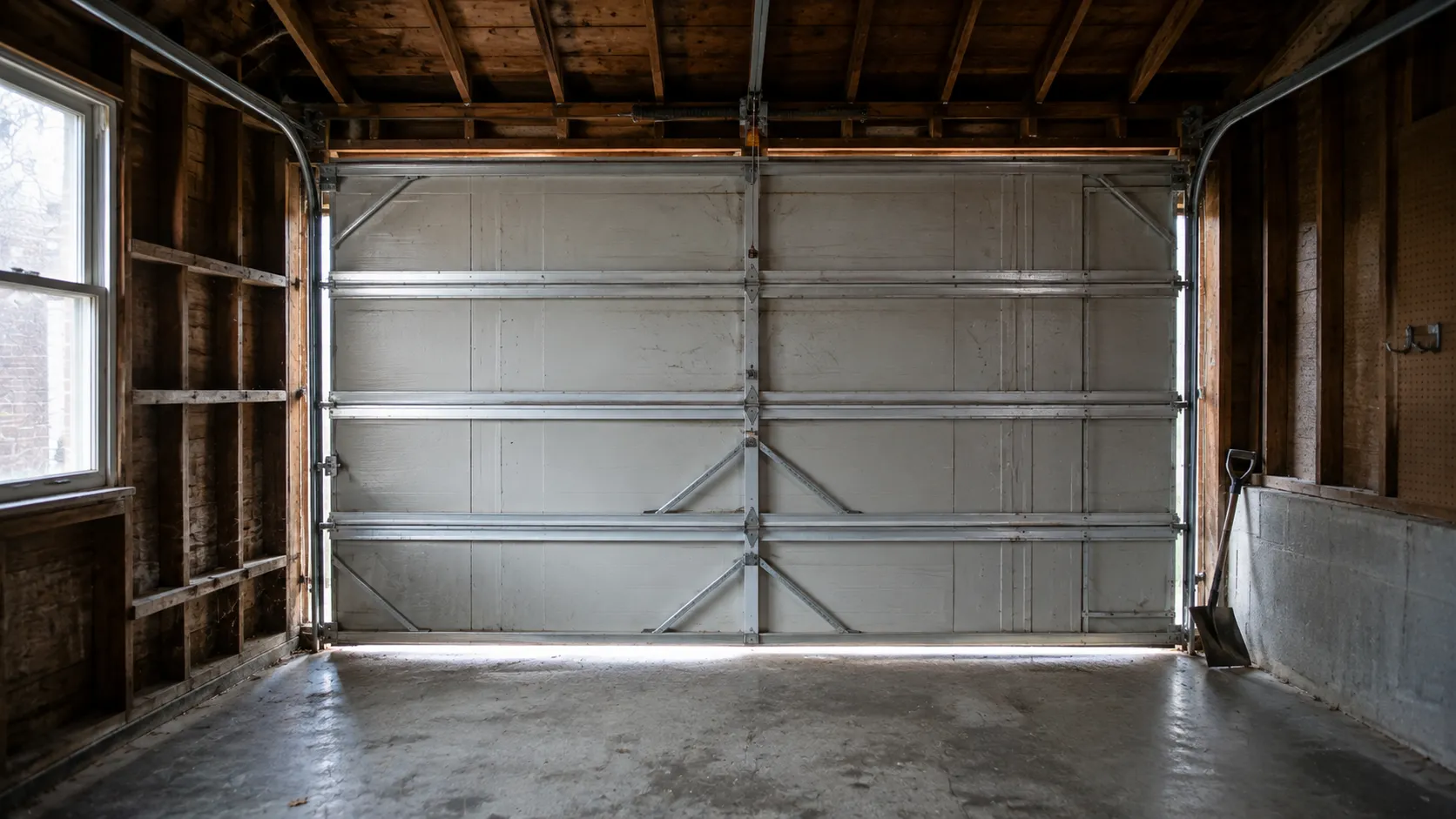
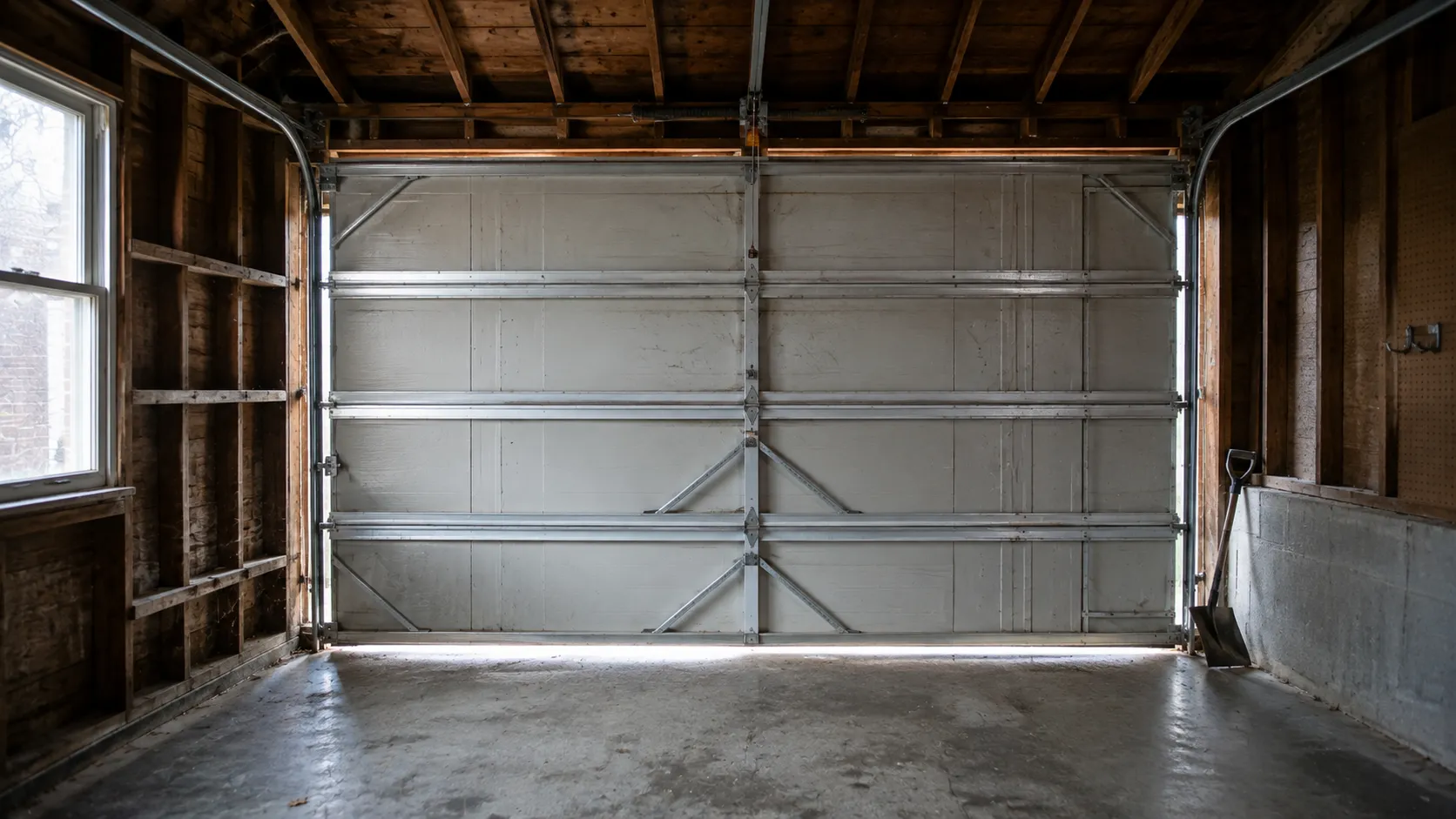
Start at the bottom seal, not the sides. On the 1960s and 70s stock that makes up most of the 37 named areas in this market, the bottom astragal is the part that takes the worst of it - UV, salt air, and whatever the driveway slope does with rainwater runoff. Pull down gently on the vinyl. If it's stiff, cracked, or pulling away from the aluminum retainer, that's your draught, and it's a cheap fix.
Next check the side and top stop molding where it meets the frame. Houses from this era were framed to the codes of their day, and door openings settle over 50-plus years. A quarter-inch of frame shift is normal and it's usually why the seal only fails on one side.
Last, look at the seal between panel sections on a sectional door. This one gets skipped because it's harder to see, but on older doors it's often original and brittle.
One honest limitation: if the frame itself has shifted more than about a half inch out of square, a new seal won't hold a tight line no matter what you buy - that's a frame or track adjustment job, not a seal swap.
How Local Conditions Play In
Being this close to the coast changes what actually wears these seals out. We're not fighting freeze-thaw cracking the way a colder market does - the mild temperate band means the vinyl doesn't go brittle from cold the way it would inland or up north. What it fights instead is UV and salt air, both of which are constant here, not seasonal. That's why a seal that looks fine in January can be cracked by August; it's sun and salt doing the damage, not weather swings.
Areas closer to the water - Sunset Beach sits about 4 miles WNW, Seal Beach 6 miles out - tend to see this wear even faster than the inland pockets of the service area. If your house sits nearer the coast than the average, expect to check seals more often than a homeowner further inland toward Stanton or Cypress would need to.
The upside of the mild climate is that a slightly worn seal doesn't punish you the way it would somewhere with hard winters. You've got more room to notice a problem before it becomes a cold-air or ice issue, because that risk basically doesn't exist here.
The Problem
The recurring issue on doors from this era isn't the seal itself - it's that the track and retainer channel it sits in were built to a 1960s or 70s standard that doesn't match a lot of the seal kits sold today. You buy a universal bottom seal, it doesn't seat right in the old aluminum retainer, and the draught comes right back within a season.
This matters more here than it would in a newer market, because with median household income around $101,138 across the area, most owners aren't looking to replace a whole door over a seal - they want the seal fixed properly the first time. That means matching the retainer profile before ordering the strip, not just grabbing whatever's on the shelf.
We don't stock every retainer profile for every era of door on the truck - some of the older aluminum channel widths need to be special-ordered, and that can mean a short wait rather than a same-day fix. It's worth knowing that going in, so a draught you've lived with for a while doesn't turn into an unrealistic expectation of a same-day repair.
Talk to a local pro
Garage door trouble in Huntington Beach?
Same-day service with honest, upfront quotes.