Carson, Huntington Beach

Garage Door Service for Carson's 1965-Era Homes

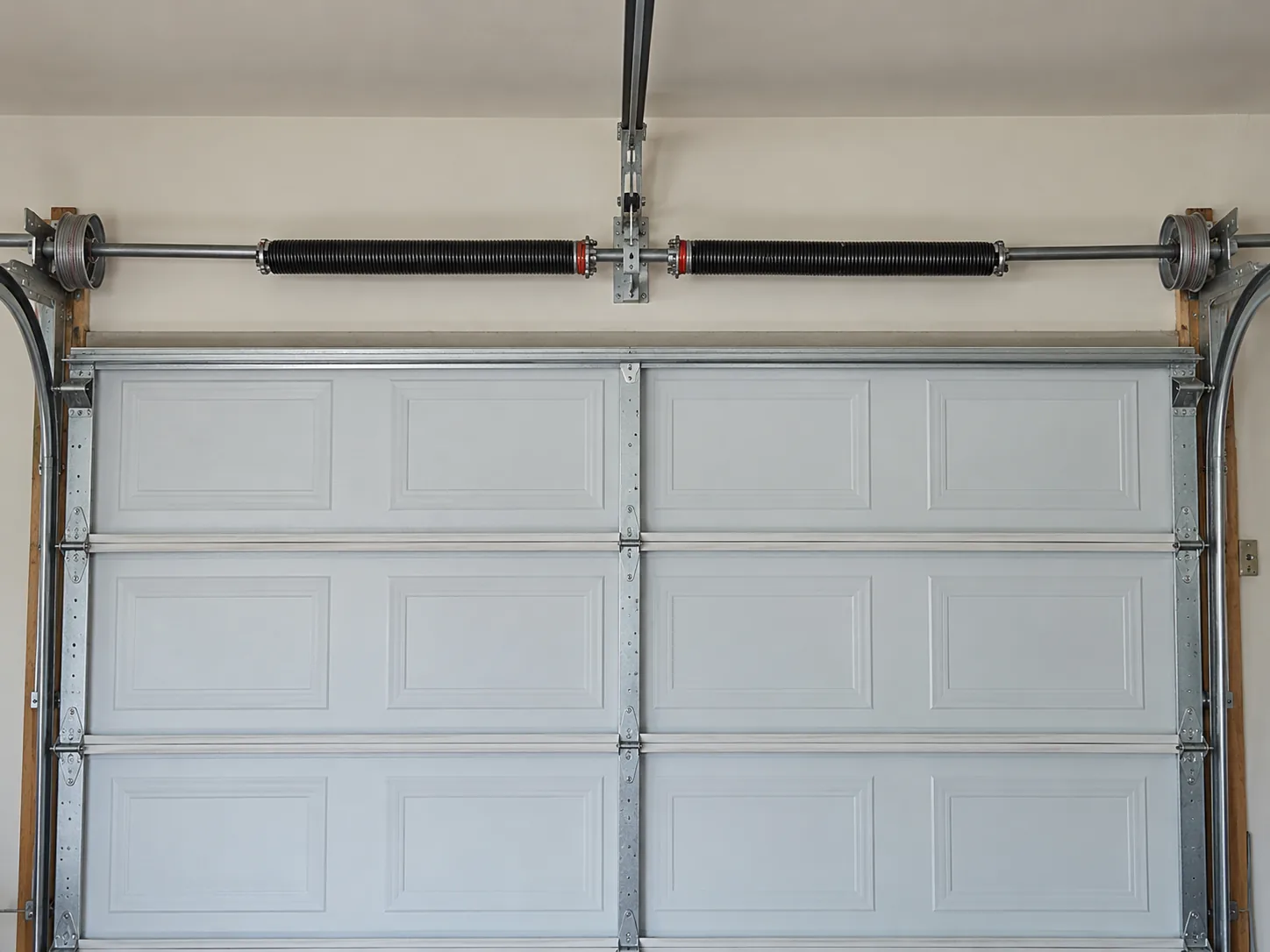
Carson homes built around 1965 still run original extension-spring hardware and early chain openers. We service that gear from our Huntington Beach shop, 17 miles out.

Garage Door Service for Carson's 1965-Era Homes in Huntington Beach
Same-day service in most cases
Serving Huntington Beach, CABackground-checked techsHonest, upfront pricingFast local response

Timing

How Long It Takes

We run this job out of Huntington Beach, and Carson sits about 17 miles down the road, so plan on that drive being part of the timeline when you call. Once a tech is on site, the work itself moves at the pace the hardware dictates, not the calendar. A house built around 1965 - which is the median build year on this side of the county - usually carries an extension-spring setup with a single torsion bar, or two loose extension springs on either side of the track. That's simpler to open up than a modern torsion system, but the parts are older and sometimes seized, so freeing a rusted pulley or a bent track bracket can eat more time than the repair itself would on newer gear. We don't pad the estimate to cover the drive, but we also don't rush a spring job because traffic ran long. If the diagnosis turns up something the truck doesn't stock - an odd bracket size, a wound spring gauge nobody carries anymore - that adds a day for the part, not a return trip charge.

How Long It Takes

DIY or pro

Doing It Yourself

If your door is from that same 1965-era stock, the panels are probably steel, single-layer, and heavier than anything sold today with foam insulation - that weight matters the moment you start swapping springs or adjusting cables, since an extension spring under tension on an old bar can whip hard enough to break a hand or a jaw.

  1. Lubricate the Hinges

    Lubricating hinges on a door this age is a fine weekend job, and it's one of the simplest ways to keep an original 1965-era door running quietly without touching anything under tension. A light garage-door lubricant on every hinge pin takes just a few minutes.

  2. Tighten Loose Roller Brackets

    Tightening loose roller brackets is safe and worthwhile, since brackets that have worked loose over sixty years of cycling are a common source of rattling and uneven travel. A few turns with a wrench often quiets the door noticeably.

  3. Test the Auto-Reverse

    Testing the auto-reverse on the opener is a fine weekend job too - place something in the door's path and confirm it stops and backs up on contact. That safety feature matters even more on a door this old, where other safeguards were never retrofitted.

  4. Leave the Spring and Track Alone

    Winding or replacing the spring, realigning a bent track, or working anywhere near the torsion bar on a door this old is not a DIY job - there's no safety cable retrofit on most of these original setups, and an extension spring under tension on an old bar can whip hard enough to break a hand or a jaw. We'd rather talk you out of a spring job over the phone than stitch you up after one.

The Cost of This Job

Pricing

The Cost of This Job

We don't publish a flat number here because a 1965-built door in Carson and a door from a house built in 1995 elsewhere in the service area aren't the same repair - different spring counts, different track hardware, sometimes a non-standard panel size that stopped being made decades ago. What we can tell you: the mild coastal climate this area sits in means we're not chasing frozen tracks or ice-cracked seals like a service tech in a harsher climate would, so weather-driven repairs are rarer here than the wear-and-tear kind. Median household income across our service area runs a little over six figures, and Carson's own median sits close to that, which tends to mean owners replace worn hardware before it fails completely rather than after - a cheaper repair than an emergency call.

Symptoms

The Symptom

The complaint we hear most from houses in this build era is a door that jerks or stutters partway up, then finishes the lift with a grinding lurch. If you catch it early - before the door refuses to move at all - the repair stays small.

Jerks Then Grinds to a Finish

The complaint we hear most from houses in this build era is a door that jerks or stutters partway up, then finishes the lift with a grinding lurch. That combination of symptoms almost always means something specific is already failing, not just a loose part.
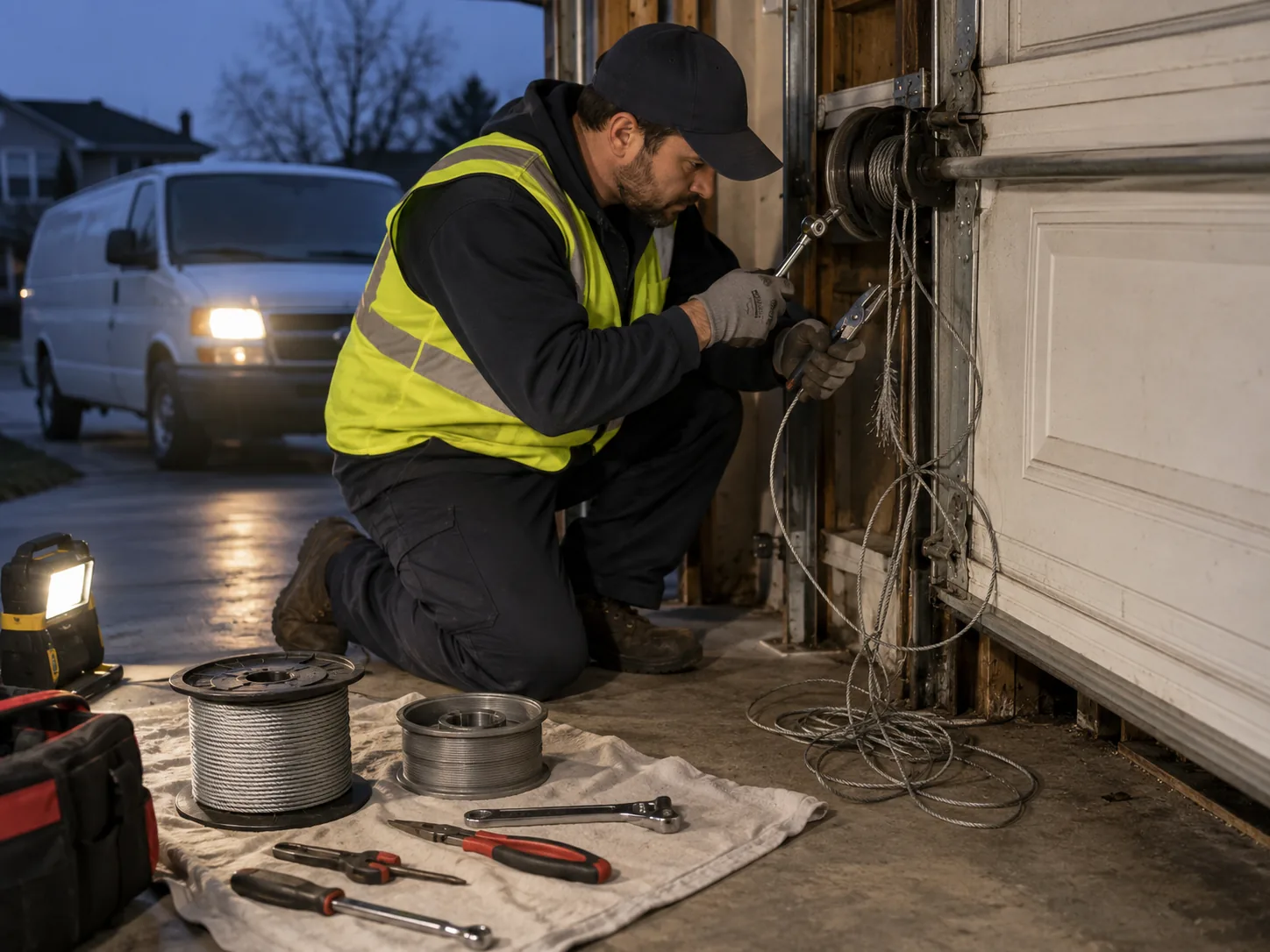
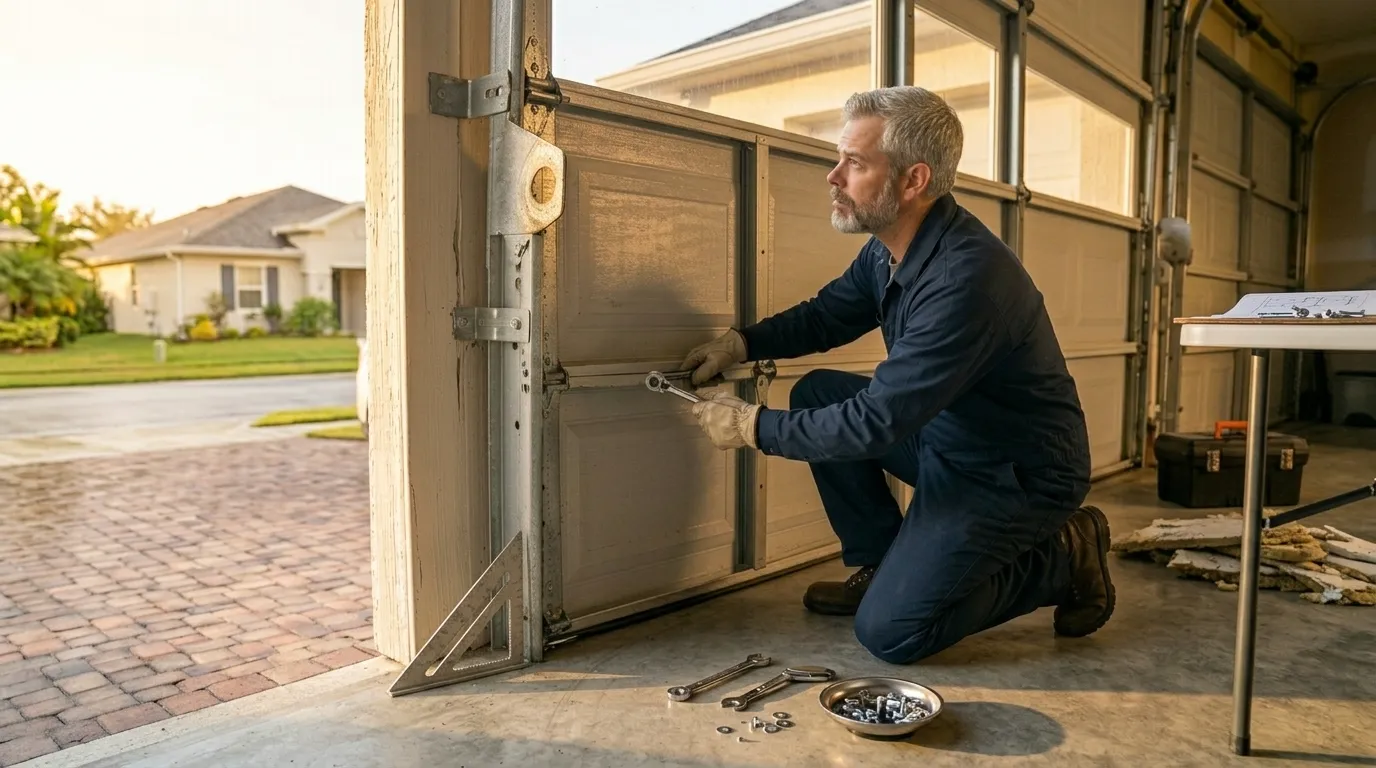
One Spring Stretched Further Than Its Pair

On a 1965-style extension-spring door, that jerk-then-grind pattern is usually one spring stretched further than its pair, throwing the whole lift off balance - the opener tries to compensate and the chain drive whines under the extra load. It's a matched-pair problem, not a single-part fix.

Bent Track or Worn Roller Bearing

On a door that's been converted or replaced since the original build, the same symptom points to a bent track or a roller that's worn through its bearing instead of an uneven spring pair. Either way, catching it early - before the door refuses to move at all - keeps the repair small.

Watch-outs

What Can Go Wrong

Original hardware on a house this age eventually meets its limit. Extension springs from the 1960s and 70s weren't rated for the cycle counts modern doors see, and when one snaps under tension near a loose bracket, it can take the track with it.

Aging Extension Springs

Extension springs from the 1960s and 70s weren't rated for the cycle counts modern doors see, and most in this area are well past that. When one snaps under tension near a loose bracket, it can take the track with it, turning a spring failure into a track repair too.

Retrofitted Openers on Old Hardware

We also see openers from earlier retrofits, added sometime after the house was built onto hardware never designed to carry motorized lift, putting uneven strain on one side of the door until a cable frays or a hinge cracks. That mismatch isn't unique to any one street - it's what happens when 1960s hardware keeps running past its intended life.

When to Stop Patching

The honest call, once a spring or cable has failed twice in the same year, is usually replacement over another patch repair. Repeated failures on the same part are the hardware telling you it's done, not asking for one more fix.

Questions

Common questions

Is Huntington Beach Garage Door Pros based in Carson?

No. We run out of Huntington Beach and travel to Carson, about 17 miles away. There's no branch or depot in Carson - every job here is dispatched from our home shop.

Why does my door's age matter for the repair?

Homes in this part of the county were mostly built in the 1960s through 1990s, with a median build year around 1965 in Carson. That means extension-spring hardware and older opener setups that behave differently than the torsion systems on newer doors, so the diagnosis and parts differ.

Do I need a heavier spring because of the weather here?

Not for climate reasons. This area sits in a mild temperate band, so we're not seeing the freeze-thaw damage that drives spring failure elsewhere. Wear from age and cycle count is the bigger factor on a door this old.

Can I just replace the opener instead of the whole door?

Sometimes. If the panels and track are original from a 1965-era build and still sound, a new opener can be worth it. If the spring hardware is failing too, we'll usually say so rather than sell you a partial fix.

Ready when you are

Need a garage door sorted in Huntington Beach?

Huntington Beach Garage Door Pros repairs and installs garage doors, springs and openers in Huntington Beach, CA and the surrounding area.

Call NowGet a quote